
For years, football fans have debated one question every time Lionel Messi stepped onto an MLS pitch:
Can a player outside Europe really win the Ballon d’Or?
It wasn’t just a social media argument. It became one of football’s biggest talking points after Messi left Paris Saint-Germain to join Inter Miami in 2023. Many believed that playing in Major League Soccer automatically reduced his chances, no matter how brilliant he remained.
Now, France Football has officially settled the debate.
The organizers of football’s most prestigious individual award have confirmed that playing outside Europe does not prevent any player from winning the Ballon d’Or.
That clarification comes at the perfect moment because Messi is once again writing football history on the world’s biggest stage.
After producing one of the greatest World Cup campaigns of his legendary career, the Argentine captain has reignited discussions about something that once seemed impossible:
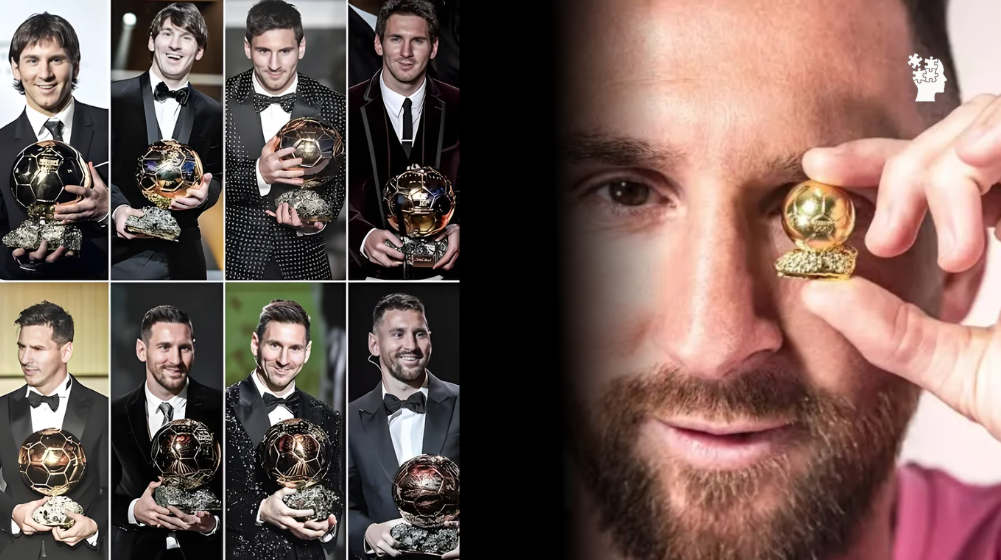
Could Lionel Messi become the first player in football history to win a ninth Ballon d’Or?
Table of Contents
Why France Football’s Statement Changes Everything
The biggest misconception surrounding the Ballon d’Or has always been that Europe is a requirement.
It isn’t.
France Football reminded fans that since 2007 there have been no geographical restrictions.
The award simply recognizes the best footballer in the world, regardless of where he plays.
This doesn’t mean winning from outside Europe is easy.
European football still dominates media attention, Champions League exposure, and elite club competition. Naturally, players competing there receive greater weekly visibility.
But visibility and eligibility are two completely different things.
France Football made it clear:
If a player is the world’s best performer, his league alone cannot disqualify him.
That statement removes one of the biggest arguments used against Messi’s candidacy.
Messi’s 2026 World Cup Is More Than Just Great
Statistics alone fail to capture what Messi has done.
Yes, eight goals and four assists in seven matches are extraordinary.
But the impact goes much deeper.
Every major tournament has defining moments.
Maradona had Mexico 1986.
Zidane had France 1998.
Iniesta had South Africa 2010.
Messi had Qatar 2022.
Now, in 2026, he is producing another masterpiece at an age when most footballers have already retired.
At 39 years old, Messi isn’t simply participating.
He is dictating matches.
Creating chances.
Scoring decisive goals.
Leading Argentina once again into a World Cup final.
That alone is almost impossible in modern football.
Breaking Records That May Never Fall
The 2026 World Cup has become another chapter in Messi’s endless record book.
Among the achievements:
- Eight goals in one tournament
- Four assists
- Argentina into another World Cup final
- Broke Miroslav Klose’s all-time World Cup scoring record
- More World Cup goal contributions than any player in history
- Continues extending records for appearances, assists and influence
What makes these numbers remarkable isn’t simply their size.
It’s when they’re happening.
Most players decline dramatically after 35.
Messi is redefining what longevity means.
Does Playing in MLS Actually Hurt His Ballon d’Or Chances?
This is where emotion often replaces logic.
Critics argue that MLS simply cannot match:
- Premier League
- La Liga
- Bundesliga
- Serie A
- UEFA Champions League
That is true.
European football remains the highest weekly level.
However, the Ballon d’Or has never been awarded purely based on league strength.
Instead, voters consider:
- Individual brilliance
- Consistency
- Major trophies
- Influence on teammates
- Historic achievements
- International tournaments
A World Cup has always carried enormous weight.
If Messi leads Argentina to consecutive World Cup titles while remaining the tournament’s best player, ignoring that achievement simply because he plays in MLS would contradict the award’s own philosophy.
The Biggest Rival: Lamine Yamal
If Messi is the emotional favorite, Lamine Yamal represents the future.
The Spanish superstar has enjoyed another sensational season.
Youth.
Consistency.
Club success.
Champions League performances.
League brilliance.
Everything normally associated with a Ballon d’Or winner.
This creates one of the most fascinating races in recent memory.
It isn’t simply:
Experience vs Youth.
It is:
Football’s greatest legend versus football’s brightest new superstar.
That storyline alone could define the 2026 award.
Why This Ballon d’Or Race Feels Different
Normally, Ballon d’Or discussions revolve around statistics.
This year feels different.
Context matters.
Messi isn’t chasing another trophy.
He’s chasing history.
No player has ever won nine Ballon d’Or awards.
Not Cristiano Ronaldo.
Not Johan Cruyff.
Not Michel Platini.
Not Marco van Basten.
Not Ronaldo Nazário.
Not Zidane.
Not anyone.
Every vote would acknowledge something much larger than another outstanding season.
It would recognize perhaps the longest period of football excellence ever witnessed.
The MLS Narrative Is Slowly Changing
Messi’s move to Inter Miami transformed more than one club.
It transformed perceptions of MLS.
Television audiences exploded.
Global attention increased.
Young international stars became more interested.
Commercial value surged.
The league still trails Europe’s elite competitively, but its reputation has never been stronger.
If an MLS player were to win the Ballon d’Or again while representing an American club, it would mark another significant milestone in the globalization of football.
What Voters Will Really Consider
Ballon d’Or voters don’t simply compare goals.
They evaluate an entire football year.
Questions they may ask include:
- Who delivered when the pressure was highest?
- Who defined the biggest matches?
- Who inspired teammates?
- Who changed games consistently?
- Who created unforgettable football moments?
Those answers often matter more than raw numbers.
Messi has built his career on delivering exactly those moments.
Could Consecutive World Cups Seal It?
Winning one World Cup transformed Messi’s legacy forever.
Winning two consecutive World Cups as captain would elevate it to another level entirely.
Few achievements in football history could rival that accomplishment.
If Argentina defeats Spain in the final and Messi plays another decisive role, his Ballon d’Or campaign would become extraordinarily compelling.
Not because of nostalgia.
Not because of reputation.
But because his performances would deserve serious consideration alongside the very best club seasons in world football.
Football Has Always Rewarded Greatness
France Football’s announcement isn’t really about Messi.
It’s about preserving the spirit of the Ballon d’Or.
The award exists to honor the world’s greatest footballer—not the player in the most fashionable league.
For decades, Europe has naturally produced most winners because it houses the strongest competitions.
But football is changing.
Talent is becoming more global.
Leagues outside Europe continue to grow.
International tournaments remain the sport’s greatest stage.
Messi’s story perfectly reflects that evolution.
Final Thoughts
Whether Lionel Messi ultimately wins a ninth Ballon d’Or remains uncertain.
Lamine Yamal, and other elite performers across Europe’s biggest clubs, will present formidable competition.
But one thing is no longer open to debate.
Playing for Inter Miami does not disqualify Messi.
France Football has officially closed that chapter.
Now only one question remains.
If football’s greatest player delivers another unforgettable World Cup triumph at the age of 39, how could the football world ignore history?
Perhaps the most remarkable part of Messi’s career isn’t the goals, the assists, or even the trophies.
It’s that, after nearly two decades at the summit of world football, he continues to make us ask questions we never imagined possible.
And maybe that’s the greatest legacy of all.
Recommended Article :
- Kylian Mbappé’s Incredible Messi Story Leaves Football Fans Speechless: The PSG Training Secret That Explains His Greatness
- Messi’s Viral Reaction to Jordan Pickford’s ‘Penalty Cheat Sheet’ Explained: What Argentina Really Found After Beating England
- Argentina vs Spain: Who Has the Better Chance to Win the 2026 FIFA World Cup Final?