
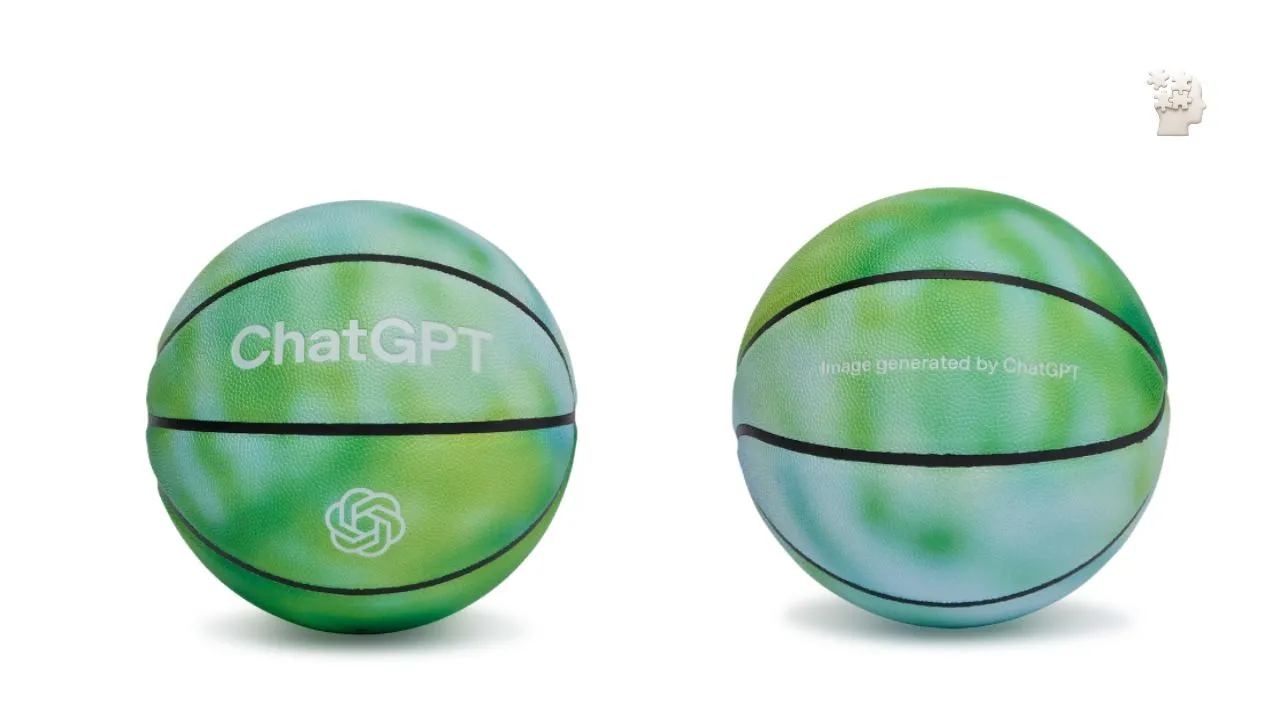
OpenAI’s $70 ChatGPT basketball isn’t just merchandise. Discover the real marketing strategy, what it means for AI, and why the company is expanding beyond software.
Table of Contents
Why Is OpenAI Suddenly Selling a Basketball?
When most people think of OpenAI, they imagine ChatGPT, AI assistants, coding tools, or cutting-edge research—not sports equipment.
That’s why the company’s decision to sell a $70 ChatGPT-branded basketball surprised both AI enthusiasts and casual consumers.
At first glance, it seems like an expensive novelty.
But look deeper, and the basketball reveals something much bigger:
OpenAI is no longer trying to be just an AI company—it wants to become a global consumer brand.
The basketball isn’t really about basketball.
It’s about branding.
A Basketball With No AI Inside
One reason the product immediately caught attention is because many people assumed it would contain some kind of technology.
It doesn’t.
The basketball is simply:
- Standard Size 7
- Made entirely from rubber
- No sensors
- No Bluetooth
- No ChatGPT
- No AI features
- No smart tracking
In other words, it functions exactly like any ordinary basketball.
The difference is the ChatGPT branding.
That immediately raised an obvious question across social media:
Why would one of the world’s biggest AI companies sell something that has absolutely nothing to do with artificial intelligence?
The answer lies in modern branding.
This Isn’t About Sports—It’s About Building a Lifestyle Brand
Technology companies are increasingly trying to become lifestyle brands rather than companies people use only while working.
Apple doesn’t just sell phones.
Tesla sells apparel.
Microsoft sells Xbox merchandise.
Google sells Pixel accessories.
OpenAI appears to be following a similar path.
Instead of limiting itself to software subscriptions, it’s creating products that keep the ChatGPT brand visible in everyday life.
Every hoodie, cap, tote bag—or even basketball—turns customers into walking advertisements.
That’s marketing with emotional value instead of traditional advertising.
Why a Basketball Specifically?
OpenAI introduced the basketball as part of a campaign encouraging people to step away from screens and embrace creativity in the real world.
The campaign suggests that some of the best ideas don’t come while staring at a laptop.
They happen:
- while walking
- exercising
- playing sports
- talking with friends
- taking breaks
Ironically, the company behind one of the world’s most-used AI tools is encouraging users to spend less time looking at screens.
That message helps position OpenAI as a company that supports healthy creativity rather than endless digital consumption.
The Bigger Picture: OpenAI Is Creating an Ecosystem
The basketball isn’t an isolated product.
OpenAI has gradually expanded its online store with products such as:
- ChatGPT shirts
- Codex hoodies
- Hats
- Socks
- Tote bags
- Water bottles
- Limited-edition collectibles
Earlier merchandise even included unusual products like:
- rice cookers
- checkerboards
- folding chairs
- sports jerseys
- flying discs
Individually, these products may seem random.
Collectively, they build a recognizable brand identity.
OpenAI Is Moving Beyond Software
The basketball may be simple, but other physical products reveal OpenAI’s larger ambitions.
One example is Codex Micro, a dedicated hardware controller designed for developers using OpenAI’s coding assistant.
Instead of clicking through software menus, users can interact with AI using physical buttons and controls.
That represents a shift from:
Software → Hardware + Software Experience
This mirrors how companies like Apple transformed computing by integrating hardware with software.
Could OpenAI Soon Compete With Apple and Amazon?
Industry reports suggest OpenAI is also working on AI-powered consumer hardware.
Unlike a smartphone, future AI devices may rely less on screens and more on voice, cameras, environmental awareness, and intelligent assistants.
If successful, ChatGPT could eventually become part of everyday household devices rather than remaining an app people open occasionally.
That would dramatically expand OpenAI’s reach.
Why Merchandise Matters More Than People Think
Many companies use merchandise simply to make extra revenue.
For OpenAI, the strategy appears different.
Merchandise can help:
1. Increase Brand Recognition
Every person wearing ChatGPT clothing introduces the brand to new audiences.
2. Build Community
Fans enjoy owning products connected to companies they admire.
This creates loyalty beyond software subscriptions.
3. Strengthen Brand Identity
Products create emotional attachment.
People don’t usually collect software.
They collect physical objects.
4. Expand Beyond AI
OpenAI increasingly wants people to think of ChatGPT as more than an AI chatbot.
It wants ChatGPT to become a recognizable global brand similar to Apple or Nike.
Is the $70 Price Worth It?
Whether the basketball is worth $70 depends entirely on the buyer.
For someone looking only for a basketball, there are many quality alternatives available at lower prices.
However, for collectors, OpenAI enthusiasts, or fans interested in limited-edition branded merchandise, the value comes from exclusivity and brand identity rather than additional features.
Like many branded collectibles, its appeal is less about functionality and more about what it represents.
Why This Matters for the AI Industry
This launch highlights an important trend.
Artificial intelligence is moving beyond software.
Companies are beginning to build:
- physical products
- branded experiences
- lifestyle ecosystems
- consumer communities
The competition is no longer just about creating the smartest AI.
It’s also about becoming the most recognizable AI brand.
That may prove just as valuable in the years ahead.
Frequently Asked Questions (FAQ)
Does the ChatGPT basketball have AI?
No. It contains no artificial intelligence, electronics, sensors, or internet connectivity. It functions as a standard rubber basketball.
Why is OpenAI selling a basketball?
The basketball is part of OpenAI’s broader branding strategy aimed at expanding ChatGPT beyond software and building a stronger consumer identity through physical merchandise.
Is OpenAI becoming a consumer brand?
Increasingly, yes. Alongside AI software, OpenAI has introduced clothing, accessories, collectibles, and hardware projects that suggest a broader consumer-focused strategy.
Is the basketball a limited edition?
OpenAI has released several limited merchandise collections in the past, making many items attractive to collectors, though availability varies.
Could OpenAI launch more hardware?
Industry reports indicate OpenAI is exploring AI-powered consumer devices, signaling ambitions that extend well beyond chatbots and software.
Final Take
At first glance, a $70 ChatGPT basketball seems like one of the most unusual AI products ever launched.
But viewed through a business lens, it becomes much more understandable.
The basketball isn’t trying to revolutionize sports.
It’s helping OpenAI transform ChatGPT from a popular AI tool into a globally recognizable consumer brand. Whether through clothing, collectibles, developer hardware, or future AI devices, the company’s strategy points toward a future where OpenAI is present not only on our screens but also in our everyday lives.
Recommended for you :
- Jamie Dimon Warns About Anthropic’s Mythos AI: Why the World’s Most Powerful Cybersecurity Model Is Raising Alarm
- Mira Murati’s First AI Model Is Here: Why Inkling Could Become the Biggest Enterprise AI Story of 2026
- Elon Musk Promises Full Data Purge After Grok Build Was Found Uploading Users’ Git Repositories