
Some football matches decide a champion.
Others define an era.
The 2026 FIFA World Cup Final between Spain and Argentina belonged firmly in the second category.
For more than 100 minutes, the world watched two footballing philosophies collide. On one side stood Argentina—the defending champions, driven by the possibility of giving Lionel Messi one final World Cup fairytale. On the other stood Spain, a fearless new generation determined to prove that their dominance in European football was no accident.
Then came the 106th minute.
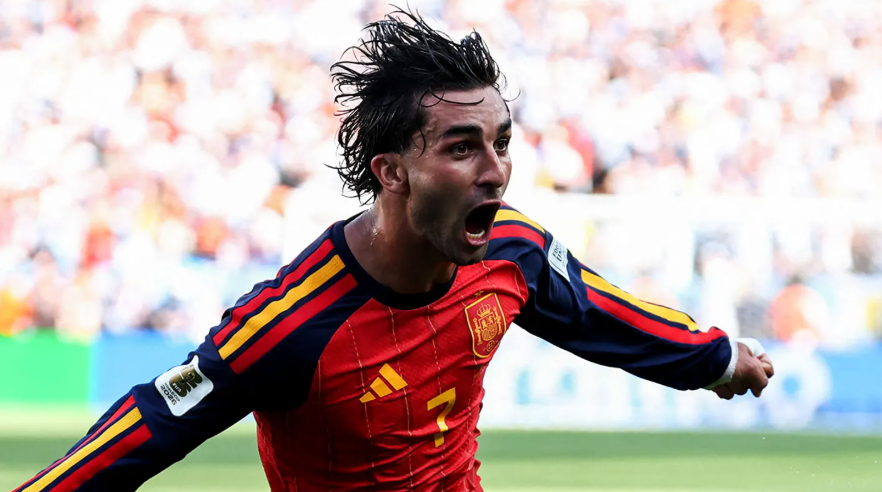
Ferran Torres, introduced to change the game, found the decisive moment that crowned Spain as world champions for the second time in history. It wasn’t just a winning goal—it was the symbol of football’s changing guard.
Table of Contents
More Than a Final—A Clash Between Two Generations
Every World Cup final carries emotion.
This one carried history.
Argentina represented experience, resilience and the final chapter of the Lionel Messi era.
Spain represented youth, fearless attacking football and the beginning of something much bigger.
For many supporters, it felt similar to watching one generation pass the torch to another.
Spain Didn’t Just Win—They Controlled the Story
Looking only at the final score tells only half the story.
Spain dictated possession.
They stretched Argentina across the pitch.
Their midfield continuously created overloads.
Wide players attacked relentlessly.
Every attack carried purpose rather than desperation.
Statistics alone cannot explain dominance, but they reinforce what viewers witnessed: Spain consistently created chances while limiting Argentina’s attacking opportunities throughout the match.
This wasn’t luck.
It was tactical superiority.
Ferran Torres Chose the Perfect Moment
Football has a strange relationship with heroes.
Sometimes legends decide finals.
Sometimes squad players become immortal.
Ferran Torres entered the match carrying no expectation of becoming the face of the tournament.
Yet one perfectly timed run.
One calm finish.
One unforgettable celebration.
That single moment transformed him from an important player into a World Cup legend.
Years from now, football fans may forget dozens of goals scored during the tournament.
They won’t forget the strike that delivered Spain another star on their shirt.
Argentina Fought Like Champions
Defending a World Cup title has always been among football’s most difficult challenges.
Argentina refused to surrender.
Their defensive organization frustrated Spain for long periods.
Goalkeeper Emiliano Martínez once again reminded the world why he is considered one of football’s finest tournament goalkeepers.
Every save delayed what felt inevitable.
Every tackle kept hope alive.
Until finally, football found its breakthrough.
Lionel Messi’s Final World Cup Chapter
Regardless of the result, one image will remain forever.
Lionel Messi walking off the field.
No celebration.
No trophy.
Only applause.
Football rarely gives perfect endings.
Diego Maradona’s career didn’t.
Cristiano Ronaldo’s may not.
Neither did Messi’s.
Yet this defeat changes nothing about his legacy.
World Cup winner.
Copa América champion.
Multiple Ballon d’Or winner.
A player who inspired millions across generations.
Sometimes greatness isn’t measured by the final page.
It’s measured by the entire story.
Spain’s New Golden Generation Has Arrived
Back in 2010, Spain conquered the football world with Xavi, Iniesta, David Villa and Iker Casillas.
Many believed that generation could never be replaced.
Football has proved otherwise.
Today’s Spain blends technical excellence with athletic intensity.
Quick transitions.
Creative midfielders.
Dynamic full-backs.
Clinical finishing.
Most importantly, they play with complete confidence.
Winning the UEFA European Championship was one statement.
Winning the FIFA World Cup confirms they are football’s newest powerhouse.
Tactical Breakdown: Why Spain Won
1. Midfield Dominance
Spain controlled possession without becoming predictable.
Every passing sequence forced Argentina to chase.
2. Width Created Space
The wingers stretched Argentina’s defensive block, creating room for runners arriving from midfield.
3. Intelligent Substitutions
Fresh legs mattered.
As extra time arrived, Spain looked physically stronger.
Ferran Torres rewarded that tactical decision with the winning goal.
4. Defensive Discipline
Spain attacked with flair but defended with remarkable structure.
Argentina struggled to generate clear opportunities throughout the contest.
What This Victory Means for World Football
Spain’s triumph represents more than another trophy.
It signals a shift in international football.
The next decade may belong to teams built around:
- Young technical midfielders
- High pressing
- Flexible formations
- Intelligent ball progression
- Squad depth instead of dependence on one superstar
Spain now possesses every ingredient required for sustained international success.
A Final That Will Be Remembered for Decades
The greatest World Cup finals are remembered because they tell unforgettable stories.
1970 gave us Pelé.
1986 gave us Maradona.
2010 gave us Iniesta.
2022 gave us Messi.
2026 gave football another unforgettable chapter.
Ferran Torres’ extra-time strike will live forever in Spanish football history—not because it was spectacular, but because it carried the weight of an entire nation’s dream.
Final Thoughts
Football never truly belongs to one generation.
It evolves.
Heroes retire.
New stars emerge.
New champions rise.
Spain’s victory over Argentina wasn’t simply the end of a tournament.
It was the beginning of football’s next great chapter.
And years from now, when fans look back on the 2026 FIFA World Cup Final, they won’t only remember who lifted the trophy.
They’ll remember the night the world witnessed the passing of one era—and the birth of another.
Recommended for you: