
Artificial intelligence has already transformed how people search the web, write emails, create images, and even code software. Now it is beginning to change something even more personal—how everyday investors buy and sell stocks.
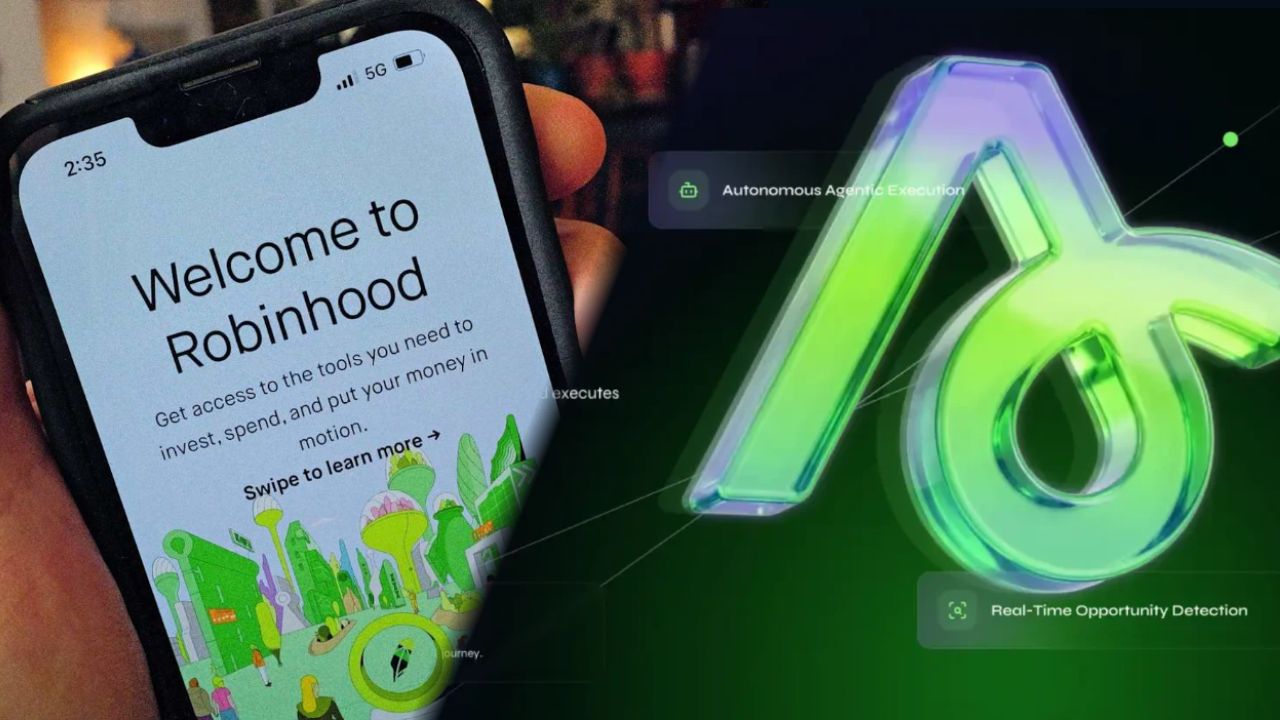
This week, Alphio AI announced that its platform is now integrated with Robinhood’s AI-native Model Context Protocol (MCP) ecosystem, allowing eligible users to execute stock trades through simple natural language conversations instead of manually placing orders.
On the surface, this may sound like another AI feature announcement. In reality, it signals a much bigger shift: the beginning of autonomous investing, where AI assistants don’t just provide financial advice—they can actually take action on your behalf.
So what exactly is Alphio AI, how does this new integration work, and why are investors paying attention?
Let’s break it down.
Table of Contents
What Is Alphio AI?
Alphio AI is an AI-powered investing platform designed to help users analyze financial markets and execute trades through conversational prompts.
Instead of navigating complicated trading interfaces, users can simply type instructions such as:
“Buy 10 shares of Apple if the stock drops below $220.”
or
“Invest $500 into my technology portfolio.”
The AI interprets the request and, through Robinhood’s infrastructure, prepares the trade for execution.
Unlike traditional trading bots that require coding or complex rules, Alphio focuses on natural language interaction, making automation accessible to everyday investors.
How Does the Robinhood Integration Work?
Robinhood recently introduced support for AI agents through its Model Context Protocol (MCP).
The protocol acts as a secure bridge between AI assistants and brokerage services.
Instead of merely answering financial questions, connected AI agents can now:
- Prepare trades
- Execute stock purchases
- Manage investment instructions
- Access portfolio information (with user permission)
- Automate investment workflows
Think of it like giving your AI assistant limited permission to interact with your brokerage account—similar to how payment apps allow subscriptions to make approved transactions.
Why This Is a Bigger Deal Than It Sounds
Many people assume this announcement is just another chatbot feature.
It isn’t.
This marks one of the first times retail investors can combine conversational AI with real brokerage execution.
That changes the role of AI from advisor to operator.
Instead of saying:
“Should I buy Nvidia?”
Users may soon ask:
“Buy Nvidia if earnings beat expectations.”
The AI doesn’t simply answer—it can act.
This represents a significant evolution in consumer finance.
Robinhood Is Building an AI Ecosystem
The Alphio partnership is only one part of Robinhood’s larger strategy.
The company has been opening its infrastructure to AI developers so different applications can connect through the same protocol.
This creates an ecosystem where multiple AI assistants may eventually compete to become investors’ preferred financial agent.
Rather than Robinhood building every feature itself, outside developers can create specialized investing assistants.
That approach resembles how smartphone app stores expanded mobile capabilities years ago.
What Safety Features Are Included?
Allowing AI to place trades naturally raises questions about security.
Robinhood says its AI infrastructure includes several safeguards:
- Trade previews before execution
- Spending limits
- Fraud detection
- Separate AI-managed accounts
- Instant emergency shutdown controls
These protections are designed to ensure users remain in control while benefiting from automation.
Still, investors should remember that AI can assist with execution—but it cannot eliminate market risk.
Could AI Replace Traditional Trading Apps?
Not anytime soon.
Most investors still prefer reviewing charts, news, and research before making decisions.
However, AI could dramatically reduce repetitive tasks like:
- Portfolio rebalancing
- Dollar-cost averaging
- Scheduled investing
- Watching price targets
- Executing predefined strategies
Rather than replacing investors, AI may become a financial co-pilot.
The Bigger Trend: AI That Doesn’t Just Talk
This announcement also reflects a much broader movement happening across technology.
AI is rapidly evolving from answering questions to completing real-world tasks.
Today’s AI can already:
- Write code
- Book appointments
- Create presentations
- Shop online
- Manage calendars
Financial transactions are becoming the next major frontier.
As more companies adopt open AI protocols, consumers may soon interact with software less through apps and more through intelligent assistants capable of handling complex workflows.
Should Investors Trust AI With Their Money?
That depends on how the technology is used.
AI can process enormous amounts of financial information quickly and automate routine investment actions.
However, markets remain unpredictable.
Economic events, geopolitical developments, corporate earnings, and investor psychology all influence prices in ways AI cannot perfectly forecast.
Automation may improve efficiency, but it should not replace thoughtful investing or proper risk management.
Many experts see AI as a decision-support tool rather than a guaranteed path to higher returns.
What Happens Next?
Robinhood has indicated that its AI infrastructure could eventually expand beyond stocks.
Future support may include:
- Cryptocurrency
- Options
- Futures
- Prediction markets
- Other financial products
If adoption continues, today’s conversational investing experience could evolve into fully personalized AI financial assistants capable of managing much larger portions of everyday financial life.
Final Thoughts
The Alphio AI–Robinhood integration isn’t simply another product launch—it offers a glimpse into how investing interfaces may evolve.
For decades, investors interacted through broker phone calls, desktop trading terminals, and mobile apps.
The next interface may simply be conversation.
Whether AI-managed investing becomes mainstream will depend on trust, regulation, and user adoption. But one thing is becoming increasingly clear: the future of investing may involve talking to an AI that can do far more than answer questions.
Recommended for you