
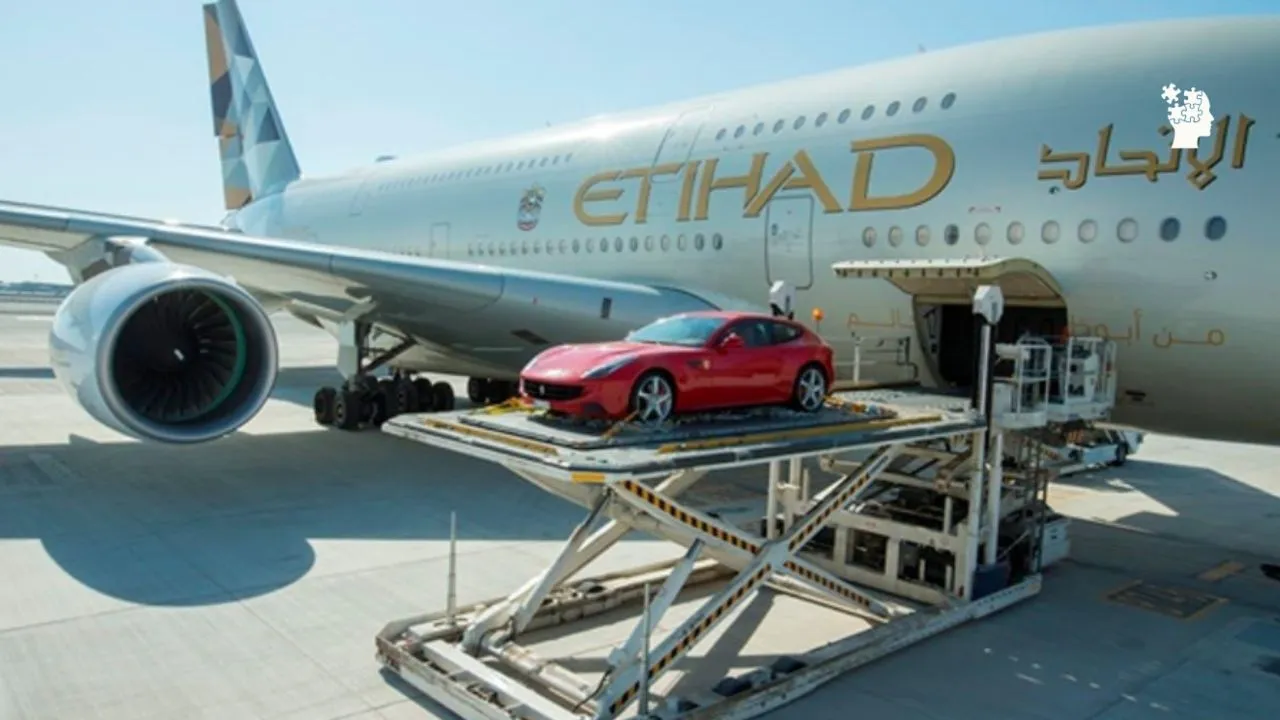
In a world where billionaires demand speed, exclusivity, and perfection on their terms, even geopolitical conflict cannot halt delivery—it can only make it dramatically more expensive.
Wisdom Imbibe Insight:
The Hormuz crisis reveals a powerful truth about modern wealth: logistics is becoming a luxury itself. While global supply chains slow, the ultra-rich bypass constraints through speed and capital. In this new reality, access—not ownership—defines status. The ability to move anything, anywhere, instantly may soon become the ultimate symbol of power in a disrupted world.
As tensions escalate in the Middle East and choke one of the world’s most critical maritime chokepoints, luxury carmakers are resorting to extraordinary measures: flying multimillion-dollar supercars across continents to fulfill orders for their wealthiest clients.
Table of Contents
The Crisis Behind the Sky-High Deliveries
The disruption centers on the Strait of Hormuz, the narrow waterway between the Persian Gulf and the Gulf of Oman. This strategic passage handles roughly 20-30% of global seaborne oil trade and serves as a vital artery for container ships and car carriers heading into the Gulf region.
Since early March 2026, maritime routes into key Gulf ports have been severely restricted:
- Car carriers and commercial vessels face heightened security risks and cannot safely navigate the area.
- Approximately 95% of normal shipping traffic has stalled or been rerouted.
- Insurance premiums for vessels in the region have surged, making sea transport commercially unviable for many operators.
While everyday industries brace for long delays, the ultra-luxury automotive sector—where clients expect immediate gratification—has been forced to reinvent its logistics almost overnight.
Ferrari, Rolls-Royce, and the Shift to Air Freight
Leading premium brands have adapted swiftly:
- Ferrari has largely paused sea deliveries to the Gulf and is now flying a limited number of highly customized vehicles directly to buyers via dedicated cargo flights.
- Rolls-Royce Motor Cars is similarly relying on air freight to maintain service levels for its elite clientele.
- Maserati has suspended shipments to the region entirely until safer routes reopen.
- Bentley is drawing down pre-stocked inventory from regional hubs to avoid new long-haul transport.
This is not a marketing stunt or optional upgrade. It is a necessity to protect one of the most profitable customer segments in the world.
Gulf buyers, particularly in the UAE, Saudi Arabia, Qatar, and Kuwait, are known for their appetite for extreme customization, limited-edition models, and rapid delivery. Losing momentum in this market—even temporarily—carries significant financial and reputational risk.
The Eye-Watering Cost of Flying a Supercar
Air freight has always been expensive. The Hormuz crisis has pushed costs into extreme territory.
Current benchmarks show:
- Average air cargo rates hovering around $2.96 per kg — approximately 66% higher than pre-crisis levels.
- Air transport is now roughly 3x more expensive (or higher) than traditional sea freight.
- A typical supercar weighing 1,500–2,000 kg can incur hundreds of thousands of dollars in logistics costs alone.
But luxury vehicles demand far more than standard cargo treatment:
- Specialized loading equipment to prevent damage
- Climate-controlled environments
- High-security protocols and dedicated handlers
- Custom crating and insurance tailored to multimillion-dollar assets
The final bill can easily exceed standard air freight estimates by a wide margin. Yet for ultra-high-net-worth individuals, the math is simple: delay is far more unacceptable than cost.
Why the Gulf Market Is Irreplaceable
The Middle East, especially the Gulf Cooperation Council (GCC) countries, represents a powerhouse for luxury automakers. Buyers here don’t just purchase cars—they invest heavily in personalization.
- Ferrari reportedly derives around 20% of its revenue from customization options alone, with Gulf clients among the most enthusiastic.
- Demand for one-off commissions, unique colors, bespoke interiors, and rare limited editions remains exceptionally strong.
- Showrooms in Dubai, Abu Dhabi, and Riyadh consistently rank among the brand’s top global performers for high-margin sales.
Declining showroom traffic, paused expansion plans in Saudi Arabia, and slowing new orders are already being reported. Some manufacturers are redirecting available stock to more stable markets like Japan to minimize losses.
A Perfect Storm for the Luxury Auto Industry
The Hormuz disruptions are compounding existing pressures:
- Weakening demand in China
- Rising tariffs and trade tensions in the United States
- Broader economic uncertainty and shifting consumer sentiment
Major groups like Volkswagen have already issued warnings about softening premium demand. Brands such as Porsche and Audi face additional headwinds as supply chains tighten and costs rise.
In response, some vehicles originally destined for the Gulf are being rerouted, further tightening availability in other regions.
What This Reveals About Wealth in Turbulent Times
There is a deeper narrative at play. While global supply chains struggle and essential goods face delays or inflated shipping costs, the ultra-wealthy continue to receive their desired assets—often via private or semi-private cargo aircraft.
This contrast highlights an emerging reality:
- For most consumers: disruption, higher prices, and waiting lists.
- For the wealthiest: premium, bespoke logistics solutions that prioritize time over expense.
Access itself is quietly becoming the ultimate luxury.
The Bigger Shift: Logistics as a Status Symbol
If such disruptions persist or recur, the luxury industry may witness a structural change:
- Air freight becoming normalized for high-end, time-sensitive deliveries
- Development of hyper-secure, hyper-personalized global logistics networks
- Greater investment in regional stockpiling and alternative routing strategies
The sight of a Ferrari or Rolls-Royce being loaded into a cargo plane is more than a logistical workaround. It symbolizes how geopolitics can reshape even the most exclusive industries overnight—and how, in the world of extreme wealth, time has become more valuable than money itself.
In the luxury automotive sector, one truth remains unchanged: delay is the only unacceptable outcome.
Whether through the skies or future innovations in elite supply chains, brands will continue to find ways to deliver perfection—no matter the obstacles or the cost.
Recommended for you :