
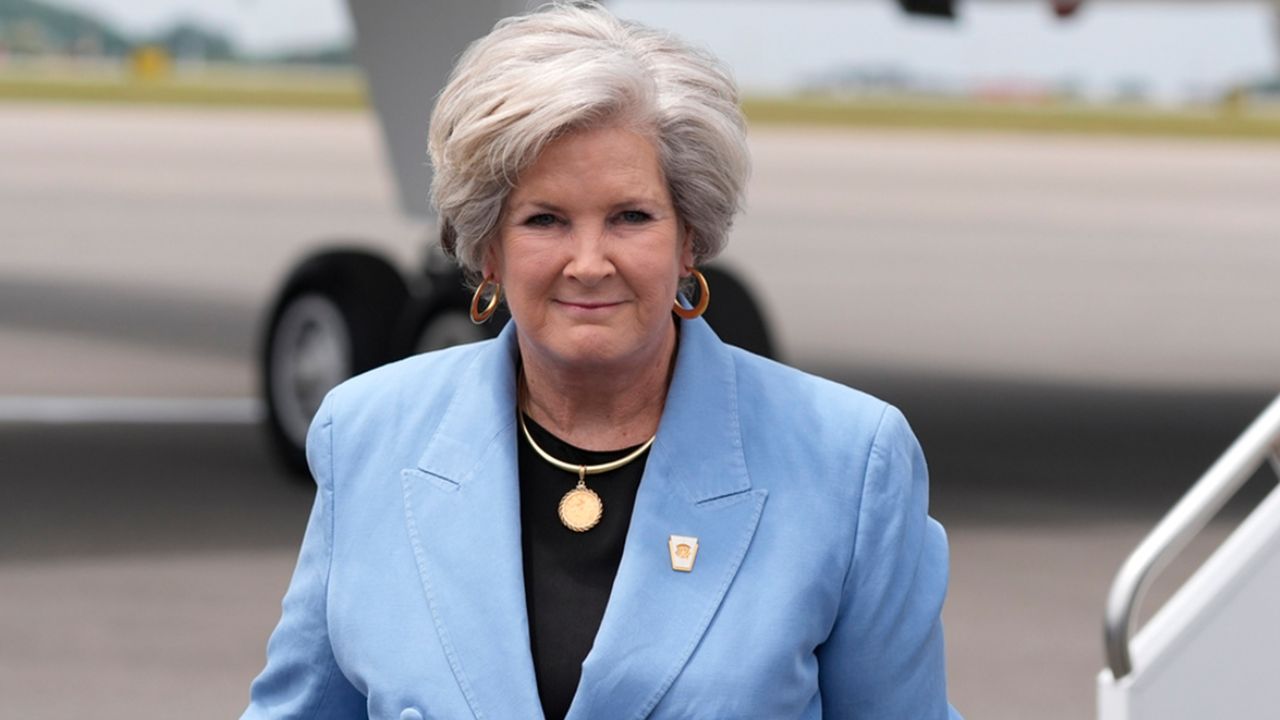
In a jaw-dropping series of interviews that have sent shockwaves through Washington, White House Chief of Staff Susie Wiles pulled back the curtain on President Donald Trump’s inner world, delivering raw, unfiltered takes on his personality, policy decisions, and even his closest allies. Published Tuesday in Vanity Fair, these revelations from over 10 conversations with author Chris Whipple paint a picture of a high-stakes West Wing where impulses reign supreme—and Wiles isn’t afraid to call it like she sees it.
Wiles, often hailed as the “most powerful woman in the world” by Trump himself, didn’t hold back. From comparing the president’s demeanor to that of a “high-functioning alcoholic” to admitting revenge fuels many of his moves, her words have ignited fierce debate about loyalty, strategy, and the future of Trump’s second term.
Table of Contents
The ‘Alcoholic Personality’ Bombshell: Trump’s Unconstrained Drive Exposed
At the heart of Wiles’ candid commentary is her stark assessment of Trump’s governing style. “He has an alcoholic’s personality,” she told Whipple, drawing from her personal experience growing up with an alcoholic father—the late sportscaster Pat Summerall. Despite Trump being a lifelong teetotaler, Wiles explained that his traits mirror those exaggerated in alcoholics: boundless confidence and a belief that “there’s nothing he can’t do. Nothing, zero, nothing.”
This isn’t just armchair psychology—it’s a window into how the White House operates. Wiles described a functional yet impulse-driven environment where she acts as a steady hand, but Trump’s “big personality” often overrides advice. For instance, she pushed back against pardoning violent January 6 rioters and delaying major tariff announcements amid advisor disagreements, but her counsel went unheeded.
Analysis: This metaphor isn’t just colorful; it highlights a potential vulnerability in Trump’s leadership. In his first term, chiefs like Reince Priebus and John Kelly struggled to contain chaos. Wiles’ approach—enabling rather than constraining—has kept her in Trump’s good graces, but her public airing of these dynamics could signal internal tensions bubbling up. Political experts suggest this might empower critics who argue Trump’s style prioritizes personal vendettas over policy precision.
Revenge on the Menu: Admissions That Could Haunt the Administration
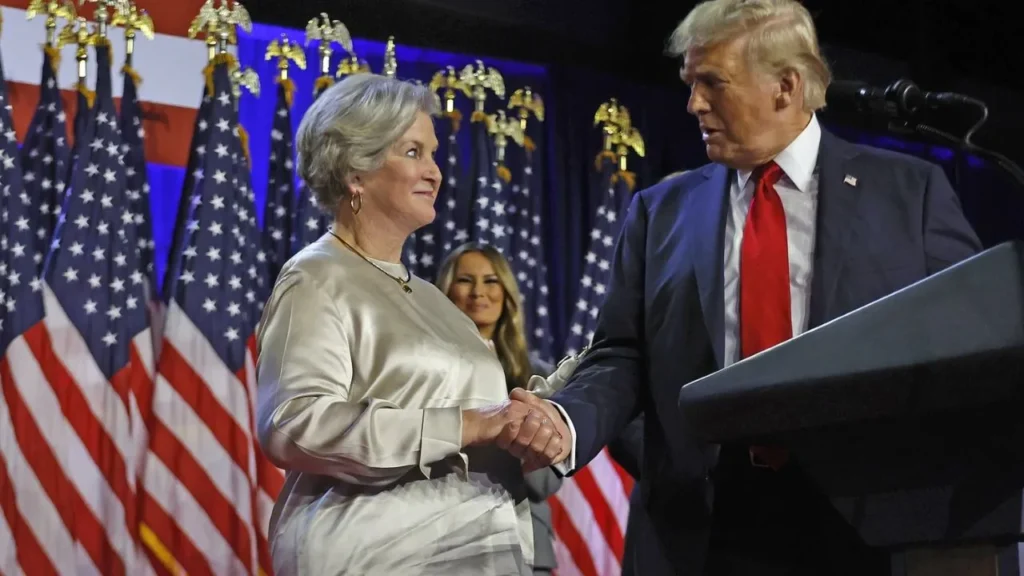
Wiles didn’t shy away from the elephant in the room: retribution. She conceded that “there may be an element of” payback in prosecutions against Trump’s foes, like the failed case against former FBI Director James Comey. “People could think it does look vindictive,” she admitted. On New York Attorney General Letitia James’ mortgage fraud probe, Wiles quipped, “Well, that might be the one retribution.”
Even more eyebrow-raising? Her take on Trump’s unsubstantiated claims tying former President Bill Clinton to Jeffrey Epstein’s island. “There is no evidence,” Wiles flatly stated, adding that Trump was “wrong about that.” On foreign policy, she revealed Trump’s Venezuela strategy as a “boat-bombing campaign” aimed at regime change, contradicting official lines and noting he’d need Congress for full strikes—something he’s teased as coming “soon.”
Wiles also urged caution on deportations to avoid errors and wanted more economic focus over Saudi Arabia dealings. These admissions paint Trump as opportunistic: “I don’t think he wakes up thinking about retribution. But when there’s an opportunity, he will go for it.”
Analysis: In an era of polarized politics, these quotes could fuel impeachment talks or legal challenges. Democrats might seize on the “vindictive” label to portray the administration as weaponizing justice, while Republicans rally around Trump. For Wiles, admitting ignored advice humanizes her role but risks alienating the base if seen as disloyalty.
Savage Takes on Allies: From Vance’s ‘Conspiracy Theorist’ Past to Musk’s ‘Odd Duck’ Vibes
Wiles’ sharpest barbs targeted Trump’s inner circle. Vice President JD Vance? A “conspiracy theorist for a decade” whose Trump loyalty feels “sort of political.” Tech mogul Elon Musk? An “avowed ketamine” user and “odd, odd duck” whose USAID dismantling left her “aghast.” Attorney General Pam Bondi “completely whiffed” on Epstein files, handing “binders full of nothingness” to influencers—with no real “client list” in sight. And Office of Management and Budget head Russell Vought? A “right-wing absolute zealot,” though he later called her an “ally” on X.
Analysis: These zingers could fracture alliances. Vance and Rubio, eyed as 2028 successors, now face amplified rivalry speculation. Musk’s influence on policy—like tariffs, which Wiles called “so much thinking out loud”—might wane if trust erodes. For Bondi, the critique spotlights mishandled high-profile cases, potentially damaging her credibility. Overall, Wiles’ frankness exposes cracks in a team that’s projected unity so far.
Backlash and Pushback: ‘Hit Piece’ or Hard Truths?
Wiles fired back on X, slamming the article as a “disingenuously framed hit piece” that ignored context and positive remarks about Trump and the team. White House Press Secretary Karoline Leavitt echoed support, calling Wiles Trump’s “most loyal advisor” and affirming the administration’s unity.
Inside Trumpworld, reactions ranged from shock to speculation. “It’s in every group chat,” one ally told reporters. A senior advisor simply said, “Yikes.” Questions swirl: Was this strategic? Revenge? Or a misstep by the ultra-calculated Wiles?
Background on Susie Wiles: The Florida political veteran, 67, made history as the first female chief of staff. A master strategist behind Trump’s 2024 win, she’s known for her low-key style and ironclad loyalty—until now. Her interviews with Whipple, author of the chief-of-staff bible “The Gatekeepers,” were meant for a book but landed in Vanity Fair first.
What It Means for Trump’s Second Term: Chaos or Calculated Candor?
This bombshell arrives as Trump navigates early-term hurdles like tariff wars and foreign policy pivots. Wiles’ comments could embolden opponents or force internal reckonings, but her staying power suggests Trump values her candor privately—even if it stings publicly.
Final Take: In a presidency defined by drama, Wiles’ interview is the ultimate plot twist. Is it a leak that exposes vulnerabilities, or a bold move to humanize the machine? One thing’s clear: The White House just got a whole lot more interesting. Stay tuned as reactions pour in—Trump’s response could be epic.
Read More: