
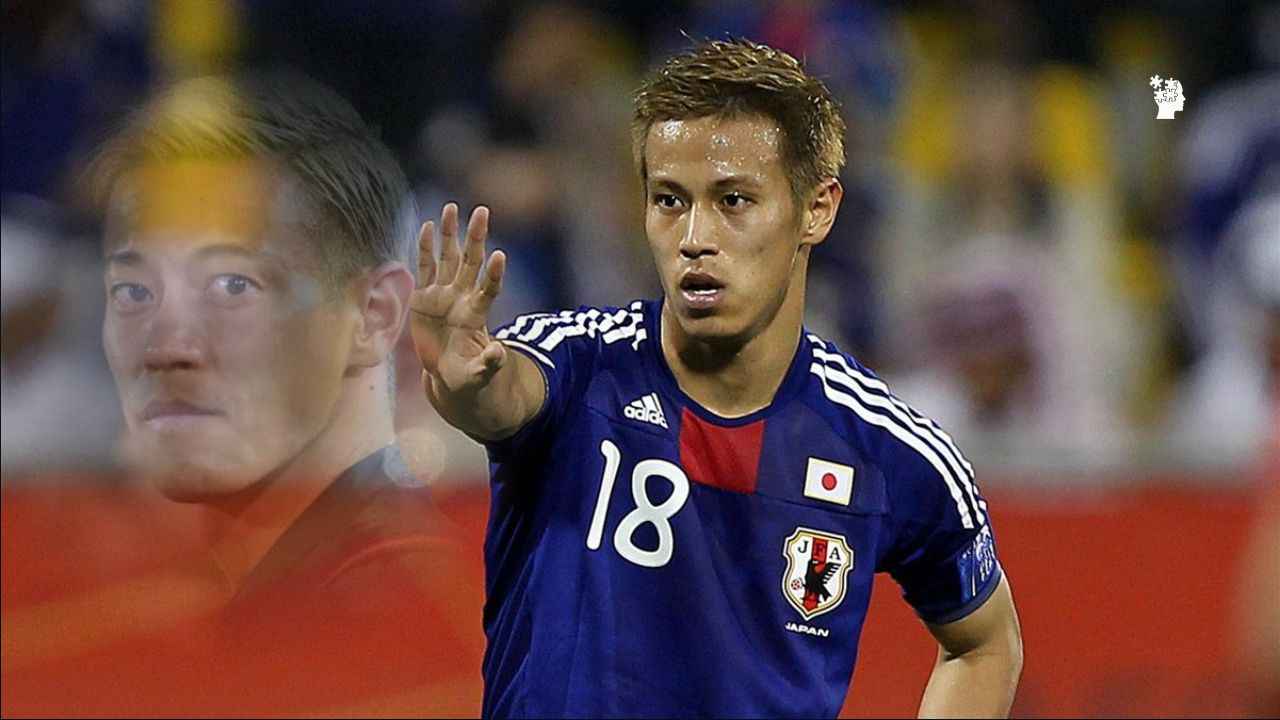
Few former international stars have made a coaching statement as bold as Keisuke Honda.
Following Japan’s exit from the FIFA World Cup, the former Samurai Blue midfielder publicly declared that he is ready to become Japan’s next head coach—but with one remarkable condition.
“Fire me without any questions asked.”
The statement quickly spread across social media, sparking debate among supporters over whether one of Japan’s greatest football icons could eventually lead the national team from the touchline instead of the pitch.
But was this simply a headline-grabbing remark, or a serious declaration of ambition?
Table of Contents
What Exactly Did Honda Say?
Honda made it clear that he is prepared to accept the enormous responsibility of managing Japan’s national team.
Instead of asking for long-term guarantees or contractual protection, he challenged the Japanese Football Association with an unusual proposal.
If results don’t meet expectations, he said they should dismiss him immediately—without debate or excuses.
The message reflected confidence rather than arrogance.
Honda appeared eager to show that accountability should come before job security.
Why His Words Matter
This wasn’t just another former player expressing interest in coaching.
Honda has spent years preparing for management through coaching experiences, football investment projects, and leadership roles around the world.
His willingness to publicly place his reputation on the line immediately captured attention because very few high-profile football figures openly invite such scrutiny.
Fans interpreted the statement in different ways:
- Confidence in his football philosophy
- A challenge to Japan’s football leadership
- Genuine desire to modernize the national team
- A symbolic message about accountability
Could Honda Really Become Japan’s Head Coach?
At the moment, there is no indication that the Japanese Football Association is actively considering Honda for the position.
Managing a national team requires extensive tactical planning, tournament experience, and the ability to handle enormous pressure.
However, Honda possesses several qualities that make him an intriguing long-term candidate:
Leadership
Throughout his playing career, Honda was known for taking responsibility during the biggest matches.
International Experience
He played professionally across Europe, Asia, Australia, and North America, giving him a broad understanding of different football cultures.
Modern Football Thinking
Honda has consistently spoken about innovation, youth development, and tactical evolution.
Global Recognition
Few Japanese footballers have achieved Honda’s worldwide profile.
Keisuke Honda: Career Timeline and Coaching Ambitions
You can add this section to your article to provide readers with context and improve time-on-page.
| Year | Milestone | Why It Matters |
|---|---|---|
| 1986 | Born in Settsu, Osaka, Japan | Future Japanese football icon. |
| 2005 | Professional debut with Nagoya Grampus | Began his senior career in the J.League. |
| 2008 | Joined Dutch club VVV-Venlo | First move to European football; helped the club earn promotion back to the Eredivisie. |
| 2010 | Signed for CSKA Moscow | Established himself as one of Asia’s top midfielders and became a UEFA Champions League regular. (Wikipedia) |
| 2010 FIFA World Cup | Scored against Cameroon | Became a national hero as Japan reached the Round of 16. |
| 2011 | Won the AFC Asian Cup | Named Player of the Tournament after leading Japan to the continental title. |
| 2014 | Moved to AC Milan | Became one of the few Japanese stars to wear the famous No. 10 shirt for the Italian giants. |
| 2018 | Retired from international football after the World Cup | Finished with 98 caps and 37–38 international goals, cementing his place among Japan’s greatest players. |
| 2018 | Became Cambodia national team’s general manager/head coach project while still playing | Took his first major coaching role in an unconventional dual player-manager path. |
| 2020 | Founded Edo All United and expanded football development projects | Shifted focus toward long-term football leadership, youth development and club ownership. |
| 2023 | Ended his Cambodia coaching tenure | Completed nearly five years leading Cambodia’s national-team project. (Asia News Network) |
| 2025 | Publicly declared his dream to become “the best coach in the world” and one day manage Japan | Confirmed that coaching Japan is one of his biggest career ambitions. (The Japan Times) |
| 2026 | Publicly offered to coach Japan after the World Cup, saying “Fire me without any questions asked.” | Sparked widespread debate over whether he should become Japan’s future head coach. (Instagram) |
Why Fans Are Divided
The reaction online has been mixed.
Supporters who favor Honda argue that:
- Japan needs fresh ideas.
- Former elite players often bring strong leadership.
- His mentality fits tournament football.
Others remain cautious.
Critics point out that coaching success requires much more than legendary playing credentials.
Managing elite players, making tactical adjustments, and handling tournament pressure are skills developed over years on the sidelines.
What This Means for Japan’s Future
Japan continues to establish itself as one of Asia’s strongest football nations.
Recent World Cup performances have demonstrated technical quality, tactical discipline, and an increasingly talented generation of players competing in Europe’s top leagues.
Whether Honda eventually becomes head coach or not, his comments reflect a broader conversation about the future direction of Japanese football.
Should the national team continue with experienced international coaches?
Or is the time approaching for former Japanese legends to lead the next generation?
Why Honda’s Statement Resonates
The phrase “Fire me without any questions asked” stands out because it represents complete accountability.
In an era where managerial contracts often include lengthy negotiations and financial protections, Honda’s challenge sends a different message:
Judge me only by results.
That mindset has become the central reason his comments have generated widespread discussion among football fans worldwide.
Final Thoughts
Keisuke Honda’s bold declaration may not immediately change Japan’s coaching situation, but it has reignited an important discussion about leadership, accountability, and the future of the national team.
Whether or not he eventually gets the opportunity, one thing is certain: Honda remains one of the most influential voices in Japanese football.
As Japan begins planning for its next chapter after the World Cup, his name is once again at the center of the conversation.
FAQ
Did Keisuke Honda apply to become Japan’s head coach?
Honda publicly expressed his willingness to coach Japan, although there has been no official appointment or confirmation from the Japanese Football Association.
What did Keisuke Honda mean by “Fire me without any questions asked”?
He indicated that he is willing to be judged entirely on results and accepts immediate dismissal if he fails to meet expectations.
Has Keisuke Honda coached before?
Honda has gained coaching and managerial experience in various football projects, though leading Japan’s senior national team would represent a much larger challenge.
Is Honda likely to become Japan’s next coach?
There is currently no official indication that such an appointment is imminent, but his comments have fueled discussion among fans and media.