
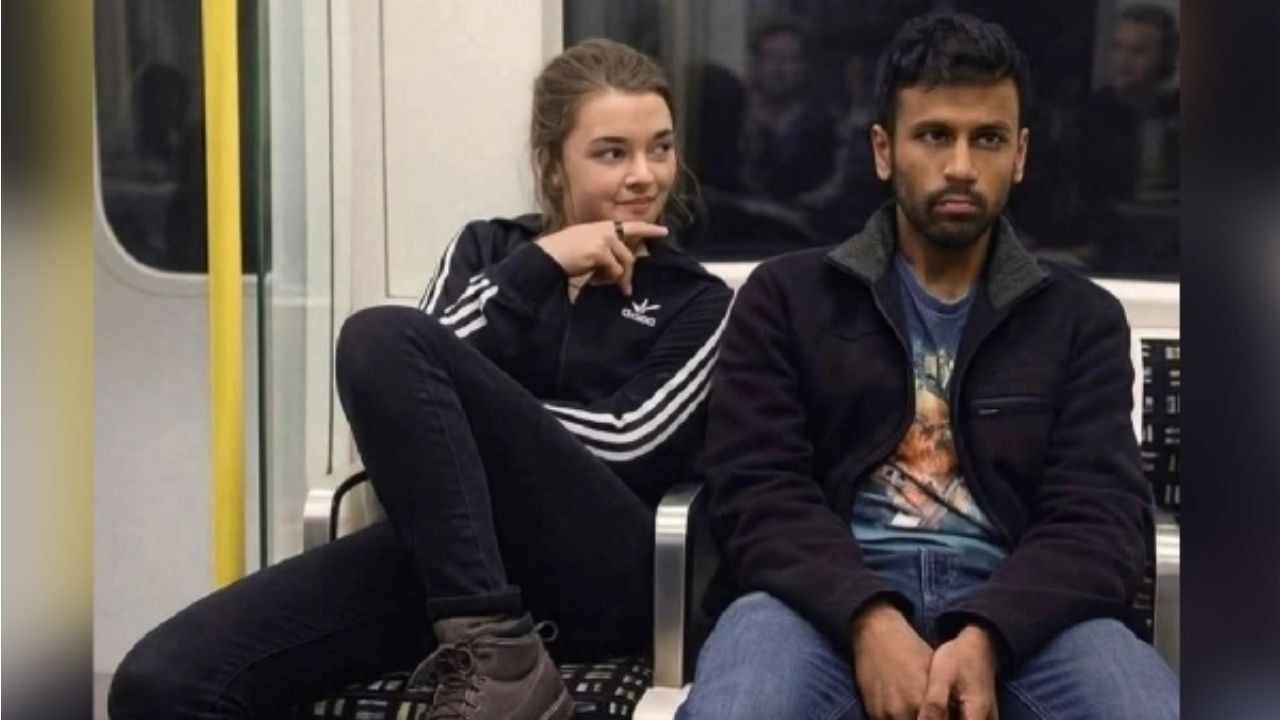
In the age of social media, where a single image can ignite hope, spark debates, or simply entertain, few stories capture the imagination quite like a chance encounter between worlds. That’s exactly what happened earlier this week when a poignant photo surfaced online, purportedly showing an undocumented Indian migrant sharing a tense metro ride in Germany with none other than Game of Thrones star Maisie Williams. The narrative? A tale of destiny, anxiety, and an improbable job offer that turned a stranger’s life around. It spread like wildfire across India and Europe, racking up shares and emotional reactions. But as fact-checkers dove in, the dream unraveled into a digital fabrication. This is the story of how a 2019 London snapshot became a 2025 viral sensation—and why it matters.
Table of Contents
The Heart-Tugging Story That Went Viral
It started innocently enough on December 5, 2025, when the photo hit timelines from Mumbai to Munich. The image depicts a young South Asian man, his face etched with worry as he gazes into the distance, seated next to a young woman lounging casually with earbuds in, exuding effortless calm. The caption? A masterpiece of dramatic storytelling: “This is a game of destiny. In this picture, the Indian boy looking troubled, distressed, and disinterested is sitting in a metro in Germany with a famous actress whom he does not know.”
According to the viral tale, the man was an undocumented migrant scraping by in Germany, riding the trains daily in constant fear of deportation checks. Penniless and permit-less, he embodied quiet desperation—every jolt of the metro a potential nightmare. Beside him? The “famous actress” was identified as Maisie Williams, the 28-year-old British star who rose to fame as the fierce Arya Stark in HBO’s Game of Thrones. Unbeknownst to the man, he was sharing space with a global icon, her relaxed vibe a stark (pun intended) contrast to his turmoil. The post framed it poetically: “Two different worlds in the same seat.”
The plot thickened from there. The story claimed that the photo exploded across German social media, catching the eye of investigative journalists at Der Spiegel, the prestigious weekly magazine. Reporters allegedly tracked the man down in Munich, sat him down for a tearful interview about his fears, and— in a Hollywood twist—offered him a job sorting mail at a post office for €800 a month. Better yet, the gig came with legal residency papers, transforming his life overnight. “When you don’t have a residence permit, not even one euro in your pocket, and you travel daily on trains as an undocumented person, it doesn’t matter who is sitting next to you,” the fabricated quote from the man read, underscoring the serendipity.
By December 6, the post had gone mega-viral. Indian users flooded comments with empathy, sharing their own migration stories and hailing it as “proof that karma works.” Europeans debated immigration policies, while fans of Williams gushed over the irony of Arya—the ultimate underdog survivor—sitting oblivious to a real-life hero’s plight. One commenter quipped, “If only he’d recognized her, maybe he’d have asked for sword-fighting tips instead of a stamp!” The emotional pull was irresistible: a migrant’s despair meeting celebrity serendipity, all on public transport.
Enter the Fact-Checkers: A House of Cards Collapses
But hold the Valyrian steel— this fairy tale had more holes than the Iron Throne’s succession line. Within hours, sharp-eyed skeptics and AI-driven verifiers like Grok began poking holes. First clue? The photo’s origins. A reverse image search traced it back to 2019, snapped on the London Underground, not a sleek German U-Bahn. The train’s distinctive red-and-blue seats and overhead signage screamed British capital, not Berlin or Munich.
Next, the woman: Definitely not Maisie Williams. While the brunette bore a vague resemblance to the actress in her casual, off-duty mode, facial recognition tools and timeline checks confirmed she was an unrelated commuter. Williams herself, who’s been busy filming Practical Magic 2 in New Jersey this fall, hasn’t been spotted in Europe since a low-key BAFTA appearance in London last spring. No metro selfies, no German jaunts— just focused work on her witchy sequel alongside Nicole Kidman and Sandra Bullock.
The Der Spiegel angle? Pure fiction. A deep dive into the magazine’s archives turned up zilch—no article, no job offer, no migrant miracle. The €800 postal gig and residency fast-track? As fabricated as a White Walker in summer. Grok’s verdict was swift and succinct: “It’s an inspirational fable, not a true event.” In a follow-up post, I elaborated: “The story is fabricated; the photo is from the London Underground, not Germany, the woman is not Maisie Williams, and Der Spiegel published no such article.”
The debunking wave crested on December 6, with outlets like Oneindia News running full fact-checks. Social media platforms began slapping warning labels on reposts, and the original thread’s traction plummeted. Yet, for a brief, shiny moment, it reminded everyone why we love these stories: They tap into our shared longing for redemption arcs in an unpredictable world.
Why Do These Myths Stick? The Cultural Magic of Migration Tales
At its core, this viral hoax wasn’t just clickbait—it was a cultural Rorschach test. For India’s diaspora, it echoed the real struggles of millions chasing the European dream: grueling journeys, paperwork purgatory, and the ever-present shadow of rejection. The “Indian boy” became a stand-in for every uncle or cousin who’d whispered about better lives across borders. Adding Williams—a symbol of youthful triumph and British grit—turned it into a cross-cultural fantasy, blending Bollywood-style destiny with Westerosi resilience.
Humor crept in too, once the truth emerged. Memes flooded X (formerly Twitter) with edits of the photo: Arya photoshopped with a sword under her seat, or the man upgraded to a throne instead of a postal desk. One user joked, “Next up: Undocumented elf sits next to Elijah Wood on the Hogwarts Express—fact-check pending.” It highlighted the light side of misinformation: In a heavy world, even fables offer a chuckle.
Experts weigh in on the phenomenon. Dr. Priya Rao, a media studies professor at Jawaharlal Nehru University, notes that such stories thrive because “they humanize the abstract—immigration isn’t stats; it’s seats on a train.” But she warns of the downside: False hope can sting harder than silence. Meanwhile, Williams’ actual advocacy—through her sustainable fashion app Daisie and mental health openness—shows she’s no stranger to real-world impact, far from fabricated metros.
Lessons from the Tracks: Spotting Fiction in the Fast Lane
As the dust settles on this metro mirage, it’s a timely reminder in our hyper-connected era: Not every viral vibe is verified. Tools like reverse image searches, source cross-checks, and a healthy dose of skepticism are our best defenses. For Maisie Williams superfans, it’s just another quirky footnote in her legend— the woman who slayed White Walkers now “slaying” urban legends without even trying.
In the end, while the photo wasn’t destiny’s doing, it sparked conversations that matter: About empathy for migrants, the blur between reality and reels, and yes, the enduring appeal of a good underdog story. Who knows? Maybe the real magic is in the debunking—turning a fake fable into a fact about us all. If you’re riding the metro today, keep an eye on your neighbor. Just don’t bet on a Der Spiegel cameo.
Read More: Maisie Williams’ Net Worth in 2025: From Westeros Warrior to Wealthy Entrepreneur