
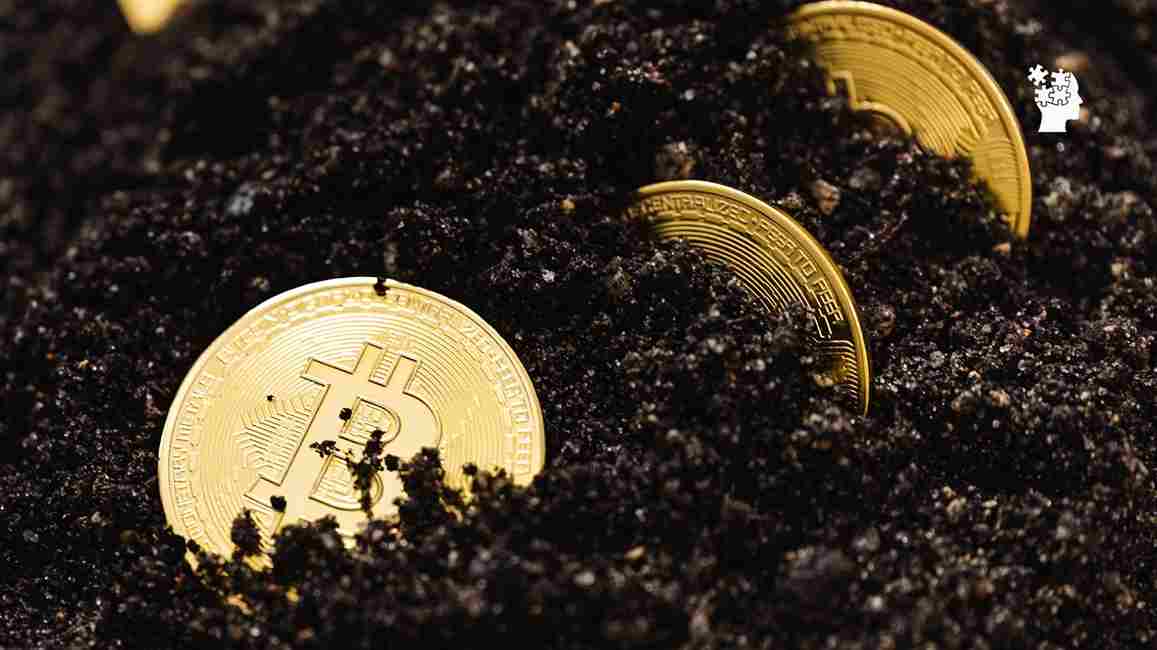
When people say “Bitcoin tokenization” in 2025, they are almost never talking about turning Bitcoin itself into a token. Bitcoin is already the native asset of its own Layer-1 blockchain. Instead, “Bitcoin tokenization” refers to three distinct but increasingly important developments that bring new assets, functionality, and liquidity onto the Bitcoin ecosystem.
Here are the three main categories, explained from the ground up:
Table of Contents
1. Tokenized Real-World Assets (RWAs) Issued Directly on Bitcoin (Native Bitcoin Layers)
This is the purest and fastest-growing form of Bitcoin tokenization in 2025–2026.
How it works
- Protocols build tokenized assets as UTXOs or in scripted data containers directly on the Bitcoin base chain or on Bitcoin-secured Layer-2s and sidechains.
Every major protocol and standards (2025): - Ordinals inscriptions (still used for small private assets and BRC-20-style tokens)
- Runes (lean fungible token protocol launched April 2024, dominant for new fungible launches)
- CBRC-20 / CBRC-721 (Bitcoin-secured tokens on Cøsmos-based chains via the Bitcoin bridge)
- Arch Network (programmable ZK rollup that settles to Bitcoin and supports ERC-20-like tokens)
- BitVM-based Layer-2s (still early but enabling arbitrary smart contracts verified on Bitcoin)
- Stacks v3+ with sBTC (1:1 Bitcoin-pegged asset that unlocks DeFi on Stacks while remaining redeemable for real BTC)
- Liquid Federation sidechain (LBTC) and issued assets (USDT on Liquid, tokenized gold, etc.)
What can actually be tokenized on Bitcoin today (Dec 2025)
- Stablecoins: Tether issued >$5B USDT on Liquid; several smaller USD-backed tokens on Runes
- Real-world assets: tokenized U.S. Treasuries (BlackRock’s BUIDL equivalent on Bitcoin is in pilot), real estate fractions, private credit funds, carbon credits
- Corporate treasury tokens: MicroStrategy is experimenting with a tokenized version of its Bitcoin holdings for accredited investors
- Bitcoin-native meme coins and community tokens (Runes ecosystem cap ≈ $4.5B)
Advantages of tokenizing on Bitcoin layers instead of Ethereum or Solana
- Final settlement on the most secure, decentralized chain (no sequencer risk, no bridge hacks if done correctly)
- Direct access to more than $1.3 trillion of dormant Bitcoin capital that refuses to leave the Bitcoin ecosystem
- Regulatory narrative: “We never leave Bitcoin” appeals to institutions that view cross-chain bridges as risk vectors
Limitations right now
- Still low smart-contract expressiveness compared with EVM chains
- Liquidity remains fragmented across L2s
- Most volume is still speculative (Runes) rather than institutional-grade RWAs
2. Wrapped Bitcoin Used as Collateral to Mint Tokens Elsewhere (The Old Way)
This is the original “Bitcoin tokenization” that began in 2019 and still dominates TVL numbers.
Variants
- WBTC (ERC-20 on Ethereum, custodied by BitGo)
- tBTC (decentralized Threshold version)
- BTC.b (Avalanche bridged)
- renBTC (now shut down after scandals)
These tokens let Bitcoin holders earn yield on Ethereum DeFi, Solana money markets, etc., but they are not Bitcoin-native. They rely on custodians or multisig bridges and have suffered multiple depegs and exploits.
In 2025 this category is shrinking as a percentage of total tokenized Bitcoin because native solutions (sBTC, Liquid, Arch) are maturing.
3. Bitcoin as the Settlement and Reserve Asset for Tokenized Systems (The Institutional Vision)
This is the narrative BlackRock, Fidelity, and large banks push when they talk about “Bitcoin + tokenization.”
Core idea
Bitcoin becomes the ultimate settlement asset and store of value, while everything else (dollars, bonds, equities, real estate) is tokenized on faster chains or L2s that periodically settle or anchor to Bitcoin.
Examples already live or in late pilot (Dec 2025)
- BlackRock’s BUIDL fund (tokenized Treasuries) has a pilot integration where redemptions can ultimately settle in Bitcoin via a regulated custodian
- Franklin Templeton’s OnChain U.S. Government Money Fund (BENJI) exploring Bitcoin settlement rails
- Several cantons in Switzerland and the city of Lugano accept Bitcoin for taxes while running tokenized bond programs that use BTC as treasury reserve
Long-term vision (5–10 years)
- Global institutions hold Bitcoin as Tier-1 collateral
- Every other financial asset is a tokenized claim that can be settled or collateralized against Bitcoin
- Bitcoin becomes “digital gold” not just metaphorically but as the base layer of a new tokenized financial stack
Market Size Snapshot – December 2025
| Category | Value Locked / Market Cap | Dominant Protocols/Chains |
|---|---|---|
| Bitcoin-native RWAs & stablecoins | ~$38 billion | Liquid, Runes, Stacks sBTC, Arch |
| Wrapped BTC on other chains | ~$52 billion | WBTC, tBTC, cbBTC (Coinbase) |
| Total tokenized RWAs (all chains) | $33.9 billion (all chains) | Ethereum still leads, Bitcoin rising fast |
| Projected tokenized RWAs by 2030 | $5–16 trillion (McKinsey, BlackRock estimates) |
Why This Matters Now
2025 is the inflection year because:
- Spot Bitcoin ETFs forced institutions to take Bitcoin seriously as a treasury asset.
- Native Bitcoin L2s finally reached usable scale (Stacks, Liquid, Arch, Bitlayer, Botanix).
- Regulators (especially MiCA in Europe and incoming U.S. clarity) treat Bitcoin differently — and more favorably — than almost every other crypto asset.
Result: Capital that previously refused to cross a bridge out of Bitcoin is now staying inside the Bitcoin ecosystem while still accessing yield, stablecoins, and tokenized real-world income.
Short Summary
“Bitcoin tokenization” in late 2025 means bringing dollars, bonds, real estate, private equity, and new financial primitives onto Bitcoin-secured rails — not wrapping BTC to leave for Ethereum, but building everything on top of Bitcoin itself so that the trillion-dollar Bitcoin hoard can finally earn yield without ever leaving its home chain.
The endgame is not Bitcoin becoming a smart-contract platform like Ethereum. The endgame is everything else becoming tokenized and settling, in one way or another, to Bitcoin.