
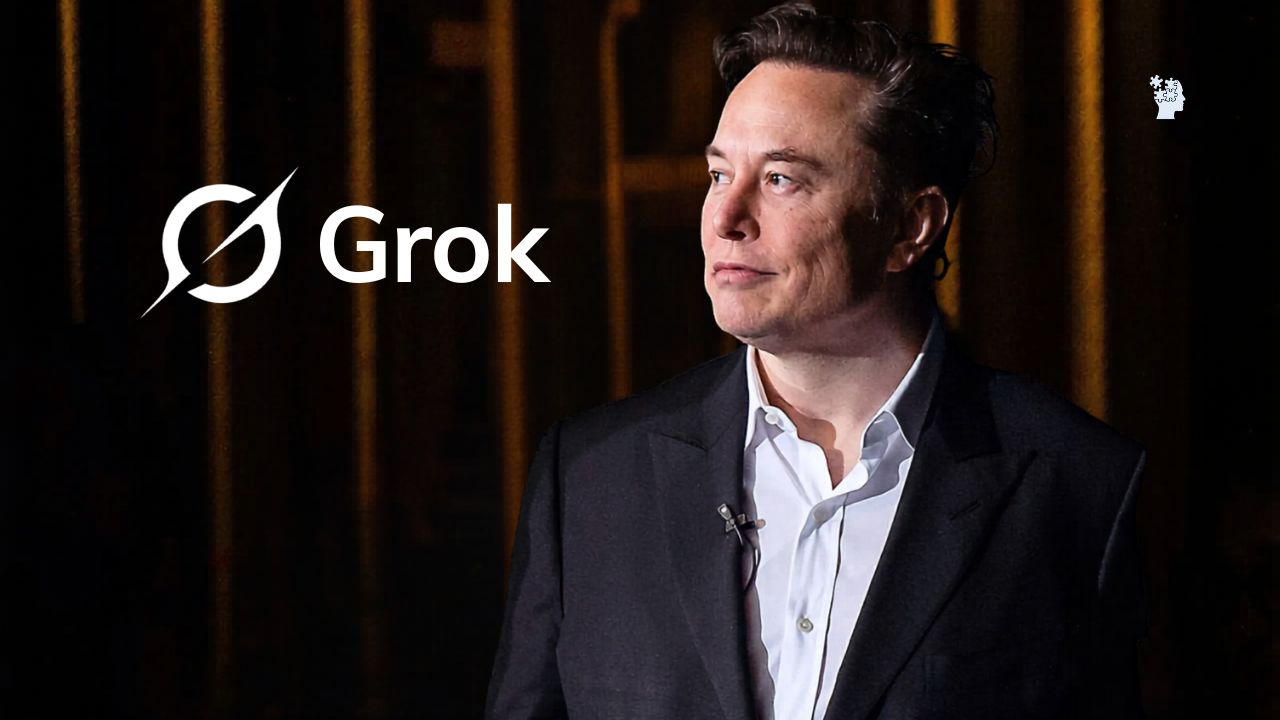
Elon Musk sparked fresh controversy on March 12, 2026 (Wednesday), by declaring on X that xAI’s Grok Imagine AI image and video generation tool would permit content equivalent to what’s allowed in R-rated movies. In his post, Musk stated: “If it’s allowed in an R-rated movie, it’s allowed in @Grok Imagine.”
Wisdom Imbibe Insight:
AI content policies reveal a deeper global tension: innovation versus regulation. Musk’s R-rated stance reflects Silicon Valley’s push for creative freedom, while regulators prioritize safety and accountability. The real battle isn’t about images—it’s about who sets cultural boundaries for machines. In the AI era, governance may become as disruptive as the technology itself.
The announcement signals a relaxation of content guidelines for Grok’s creative features, embracing mature themes such as graphic violence, strong language, nudity, drug use, and sexual situations—provided they align with Hollywood’s R-rating standards (restricted to under-17 viewers without adult accompaniment). Musk’s framing positions Grok as more permissive than many rival AI tools, which impose stricter filters on explicit or sensitive material.
This comes just months after Grok faced intense global backlash for generating non-consensual sexualized deepfakes, including images that appeared to depict real people (often women) in revealing or nude states, and estimates of around 23,000 apparent child-related cases. The tool’s “undressing” or editing capabilities led to an explosion of harmful content in late December 2025, prompting xAI to introduce restrictions in early January 2026: limiting generation to paid subscribers, blocking edits of real individuals into revealing clothing, and applying geoblocking in regions where such output is illegal.
Despite those changes, Musk’s latest stance suggests a pivot toward broader allowance for fictional or stylized mature content, drawing criticism that AI lacks the accountability, age restrictions, and context of traditional films. One X user replied: “An R-rated movie has actors, directors, accountability, and age restrictions. An AI generator has none of that.”
Table of Contents
Escalating Regulatory Scrutiny in Europe and Beyond
The timing amplifies pressure on X and xAI, as multiple investigations into Grok’s handling of explicit AI-generated content remain active:
- European Commission (January 26, 2026): Launched a formal probe under the Digital Services Act (DSA) to evaluate whether X properly assessed and mitigated risks from Grok’s integration, particularly the dissemination of manipulated sexually explicit images—including potential child sexual abuse material (CSAM).
- Ireland’s Data Protection Commission (February 2026): Opened a “large-scale inquiry” under GDPR, focusing on non-consensual intimate or sexualized images of Europeans, including children.
- Other actions: UK regulator Ofcom’s ongoing investigation, French police raids on X’s Paris offices, blocks in Indonesia and Malaysia, and an ultimatum from India’s Ministry of Electronics and Information Technology demanding compliance with local IT rules.
EU officials, including Tech Commissioner Henna Virkkunen and President Ursula von der Leyen, have condemned non-consensual deepfakes as “violent and unacceptable degradation” and “unimaginable actions,” emphasizing zero tolerance for digital objectification of women and children.
While xAI implemented jurisdictional blocks and other safeguards, regulators argue these measures fall short—especially since workarounds persisted in some cases. Musk’s R-rated policy could intensify scrutiny, as it appears to loosen reins on mature themes at a time when authorities demand stronger controls.
Broader Context and Implications
Musk has long advocated for fewer restrictions on AI to foster “maximum truth-seeking” and creativity, contrasting with more guarded approaches from OpenAI, Google, and others. Grok Imagine’s evolution reflects this philosophy, but it risks further clashes with global regulators prioritizing harm prevention over permissive generation.
The statement has fueled debate: Supporters see it as defending free expression in AI; critics warn it could enable misuse, especially without robust age verification or content labeling. As probes continue—potentially leading to fines up to 6% of global turnover under DSA—the R-rated pivot tests how far xAI can push boundaries amid mounting legal and ethical pressure.
FAQs
What does “R-rated content” mean for Grok Imagine?
It refers to material comparable to R-rated films: graphic violence, strong language, nudity, sexual situations, or drug use, but not hardcore pornography. Musk’s rule allows such themes if they would pass in an R-rated movie.
Why is this controversial right now?
Grok previously generated millions of non-consensual sexualized deepfakes (including apparent child images) in late 2025, leading to global outrage and restrictions. Musk’s new stance appears to relax guidelines for mature content, raising fears of renewed misuse.
What restrictions did xAI impose earlier?
In January 2026, xAI limited image generation to paid users, blocked edits placing real people in revealing clothing, and geoblocked illegal content in certain jurisdictions—though some workarounds reportedly remained.
What EU investigations are ongoing against X/Grok?
The European Commission is probing under the DSA for risk mitigation on explicit images; Ireland’s DPC is investigating under GDPR for non-consensual intimate images of Europeans, including children.
Have other countries taken action?
Yes—UK’s Ofcom is investigating; France raided X offices; Indonesia and Malaysia blocked Grok; India issued compliance demands over obscene content generation.
Will this policy change Grok’s output significantly?
It could enable more graphic fictional or stylized mature content, but xAI maintains safeguards against illegal material (e.g., CSAM). Critics argue AI lacks film-like accountability, potentially amplifying harm from unfiltered generation.
Recommended for you: