
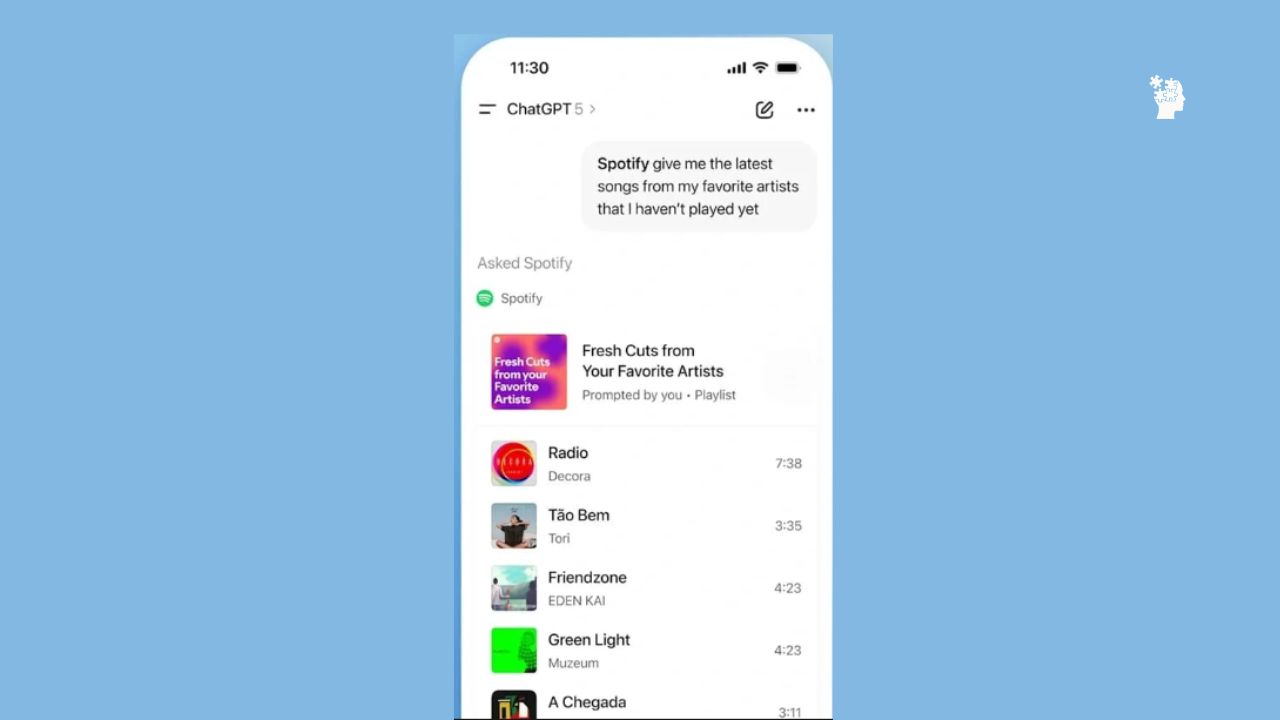
OpenAI is aggressively evolving ChatGPT from a conversational AI into a full-fledged digital assistant by embedding third-party app integrations directly into the chat experience. As of mid-March 2026, the platform supports 14 live partner apps (with several more confirmed as coming soon), allowing users to book rides, order food, shop, plan trips, create graphics, learn courses, and more—all via natural language prompts without leaving the conversation.
Wisdom Imbibe Insight:
The future of the internet may revolve around conversation, not apps. By embedding services directly into chat, AI becomes the new interface layer between users and the digital economy. The real disruption isn’t just smarter responses—it’s controlling the gateway to everyday actions like travel, shopping, music, and food in one intelligent conversation.
The feature, first previewed at OpenAI’s DevDay in October 2025 with seven initial partners, has expanded rapidly. A March 14 TechCrunch guide confirms the current U.S./Canada lineup includes:
- Booking.com (travel reservations)
- Canva (graphic design)
- Coursera (online courses)
- DoorDash (food/grocery delivery)
- Expedia (travel planning)
- Figma (collaborative design)
- Quizlet (study tools)
- Spotify (music playlists and discovery)
- Target (shopping)
- Uber (ride-hailing)
- Uber Eats (food delivery)
- Wix (website building)
- Angi (home services)
- Zillow (real estate search)
Upcoming additions include OpenTable, PayPal, and Walmart, among others.
Table of Contents
How the Integrations Work
Users activate an app by prefixing a prompt with its name (e.g., “Spotify, make a playlist for my dinner party” or “Uber, get me a ride to the airport”). ChatGPT then guides account linking if needed, or users can connect multiple services via Settings → “Apps and Connectors.”
Once authorized:
- ChatGPT renders interactive elements inline—maps for Uber, playlists for Spotify, shopping carts for Target/DoorDash, booking calendars for Expedia/Booking.com, design canvases for Canva/Figma, etc.
- It leverages full conversation context and account data for personalization (e.g., suggesting rides based on past locations or playlists from listening history).
- Data sharing is required for functionality—linking Spotify grants access to playlists and history, for example.
The integrations are available to all logged-in ChatGPT users (including free tier) in the United States and Canada. Europe and the UK remain excluded, with no public timeline for expansion.
Technical Foundation and Strategic Shift
This marks OpenAI’s second major attempt at building an app ecosystem around ChatGPT. The earlier GPT Store (launched January 2024) fizzled due to limited traction and discoverability. The new model ditches the open marketplace for direct partnerships with established brands, using a purpose-built Apps SDK and the open-standard Model Context Protocol (MCP).
MCP enables richer, stateful interactions beyond text—DoorDash users can generate meal plans, convert ingredients to shoppable lists at Kroger/Safeway, and check out in-chat (via the emerging “Agentic Commerce Protocol”). Uber surfaces ride options (UberX, Comfort, Black), though advance bookings aren’t yet supported.
By focusing on discovery and planning rather than full transaction processing (after reportedly killing in-app checkout for broader retail), OpenAI positions ChatGPT as a high-traffic front door—over 400 million weekly active users—while partners handle fulfillment and monetization. This creates massive distribution value for brands but also raises questions about category competition (e.g., Uber vs. future ride-hail rivals).
Broader Momentum and Related Updates
The app push aligns with other recent enhancements:
- Shazam music recognition now live in ChatGPT, building on the Apple Music integration (search catalog, generate/save playlists conversationally).
- Plans to embed Sora (OpenAI’s text-to-video generator) directly into ChatGPT, expanding access amid competition from Google’s Gemini and Meta’s video tools.
- Continued work with large retailers (Instacart, Target, Expedia, Booking.com) on dedicated agents, while Amazon and Walmart advance their own vertical commerce agents.
Travel stocks have surged on the news, reflecting market optimism about AI-driven booking friction reduction.
Why It Matters
These integrations transform ChatGPT into a practical “everything app” contender—handling real-world tasks alongside knowledge and creativity. For users, it means fewer app switches; for partners, instant reach to hundreds of millions. For competitors (Google Gemini, Anthropic’s Claude, xAI’s Grok), it intensifies the race to own the conversational interface layer.
With Europe excluded due to regulatory caution (likely GDPR/DSA concerns), the U.S./Canada rollout serves as a proving ground. If adoption accelerates, expect faster partner additions and deeper commerce features—potentially redefining how people interact with services online. For now, it’s one of the clearest signs yet that OpenAI is betting big on turning ChatGPT into the central hub of daily digital life.
Recommended for you: