
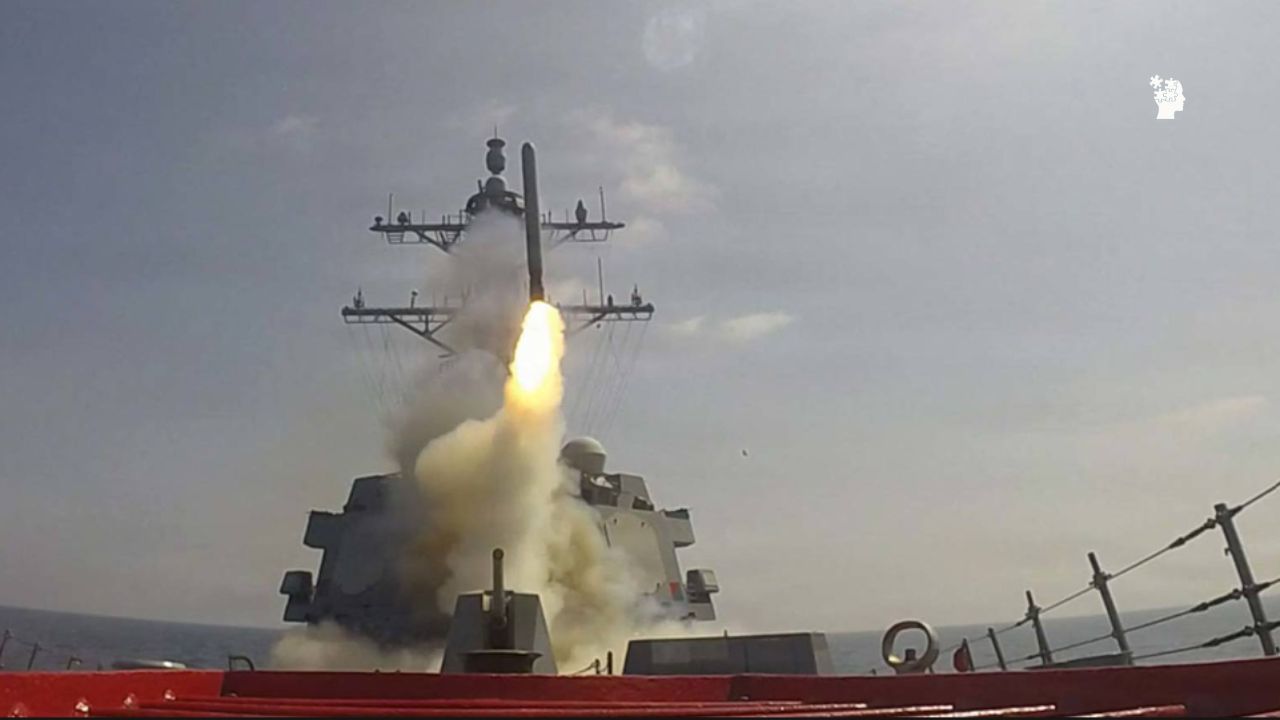
Operation Epic Fury—the joint U.S.-Israeli military campaign against Iran—has entered its fourth day with an intense and expansive air and missile assault that has already struck more than 1,250 targets across the country. Launched in the early hours of February 28, 2026, the operation achieved one of its most dramatic early successes with the targeted killing of Supreme Leader Ayatollah Ali Khamenei and dozens of senior officials, setting the stage for a potentially prolonged conflict aimed at fundamentally reshaping Iran’s military capabilities and regional influence.
Wisdom Imbibe Insight
When over 1,000 targets fall in days, the objective is not symbolic — it is systemic. Modern warfare seeks to paralyze networks, not just punish actors. Yet decapitation is not transformation. Destroying infrastructure is faster than rebuilding order. In geopolitics, overwhelming force can reshape capability — but legitimacy determines what rises next.
Table of Contents
Scale and Scope of the Campaign
The offensive began at 1:15 a.m. ET on February 28 with a massive wave of coordinated strikes. Israel deployed approximately 200 fighter jets in what officials described as the largest combat sortie in its history, releasing over 1,200 munitions against more than 500 targets in the opening 48 hours. These included air defense batteries, missile launch sites, command centers, and ballistic missile production facilities.
The United States complemented Israel’s efforts with long-range precision strikes, notably using B-2 Spirit stealth bombers on 37-hour round-trip missions from bases in the continental U.S. to hit deeply buried and fortified targets. U.S. Central Command (CENTCOM) reported that all 11 Iranian naval vessels operating in the Gulf of Oman were destroyed within the first two days of the campaign, effectively neutralizing Iran’s ability to threaten international shipping in the region.
CENTCOM stated on X: “The Iranian regime has harassed and attacked international shipping in the Gulf of Oman for decades. Those days are over.”
Leadership Decapitation and Early Objectives Met
A cornerstone of the operation was the elimination of Iran’s top leadership. Supreme Leader Khamenei, aged 86, was killed in an Israeli strike on his residence in Tehran, with U.S. intelligence reportedly providing real-time location data. Iranian state media confirmed his death on March 1, along with the deaths of family members, and declared 40 days of national mourning.
President Donald Trump, speaking at the White House on March 2, described the decapitation of military and political command as having occurred “within hours” rather than the weeks planners had anticipated. He outlined four explicit objectives for the campaign:
- Destroy Iran’s ballistic missile stockpile and production capacity.
- Annihilate its navy.
- Prevent Iran from ever acquiring nuclear weapons.
- Stop the regime from arming proxy groups such as Hamas and Hezbollah.
Trump claimed the operation was “substantially ahead of schedule” but cautioned that additional U.S. casualties were likely. CENTCOM confirmed four American service members killed and several wounded in Iranian retaliatory attacks.
Iranian Retaliation and Regional Escalation
Iran responded with Operation True Promise IV, launching successive waves of ballistic missiles and drones targeting U.S. military installations in Qatar, Bahrain, Kuwait, and the United Arab Emirates. U.S. Patriot and THAAD systems intercepted hundreds of projectiles, though persistent drone threats continued well into the third and fourth days.
Hezbollah joined the fray from Lebanon, firing projectiles toward northern Israel—an action Israeli officials described as “an official declaration of war by Hezbollah.” Israeli Prime Minister Benjamin Netanyahu framed the broader campaign as necessary to “remove the existential threat posed by the terrorist regime in Iran” and create space for the Iranian people to “take their destiny into their own hands.”
Reports from Al Jazeera and other outlets indicate that Israel’s stated aims have increasingly aligned with regime change, even as U.S. officials emphasize the destruction of military capabilities rather than full occupation.
Current Status and Outlook
As the operation moves into its fourth day (March 3, 2026), strikes continue unabated, with CENTCOM and the Israeli Defense Forces reporting ongoing degradation of Iranian missile, air defense, and command infrastructure. Trump has estimated the campaign could last four to five weeks or longer, depending on resistance and the pace of achieving objectives.
The conflict has already reshaped the regional security landscape: Iran’s naval presence in key waterways is crippled, its leadership structure is in disarray with a temporary council in place, and proxy networks face immediate pressure. Yet sustained Iranian retaliation, Hezbollah’s involvement, and the risk of broader escalation keep global markets volatile and diplomatic channels strained.
With no clear off-ramp in sight and both sides signaling determination, Operation Epic Fury stands as one of the most significant U.S.-Israeli military actions in decades—its outcome likely to define Iran’s future trajectory and the balance of power in the Middle East for years to come.
Recommended for you: