
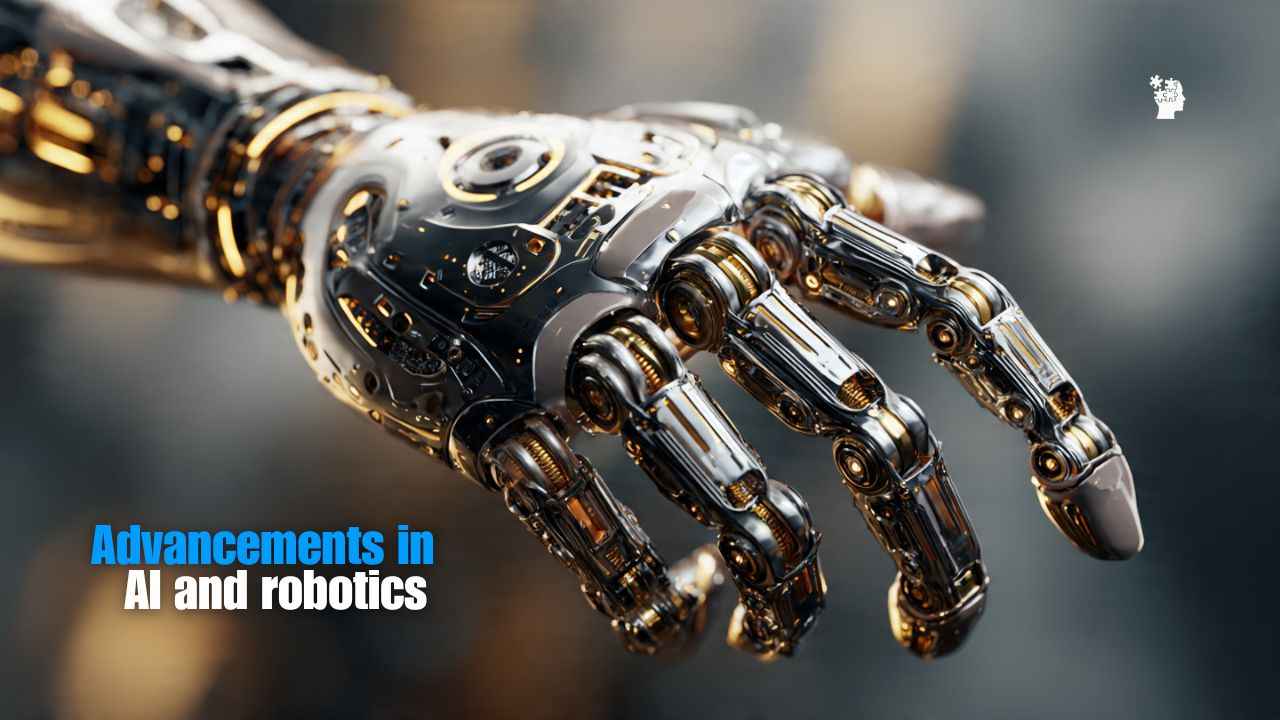
Advancements in artificial intelligence and robotics are described in the sources as the fundamental “path to abundance for all”, offering the only viable method to solve global poverty and provide a universally high standard of living. This goal is driven by several key factors:
Table of Contents
Economic Expansion and Productivity
The primary driver of global abundance is a massive expansion in the global economy that is “truly beyond all precedent”. This is based on a simple engineering and economic calculation: economic output will be determined by the average productivity per robot multiplied by the total number of robots.
• Saturation of Needs: It is predicted that there will eventually be more robots than people. These robots and AI will “saturate all human needs”, to the point where there will be such an abundance of goods and services that individuals may struggle even to think of new requests to make.
• Labour and Work: For true abundance to exist, work cannot be a narrow requirement restricted to those with specific skills. Ubiquitous robotics removes the limitation of human labour, allowing for broad rather than narrow economic growth.
Humanoid Robots in Daily Life
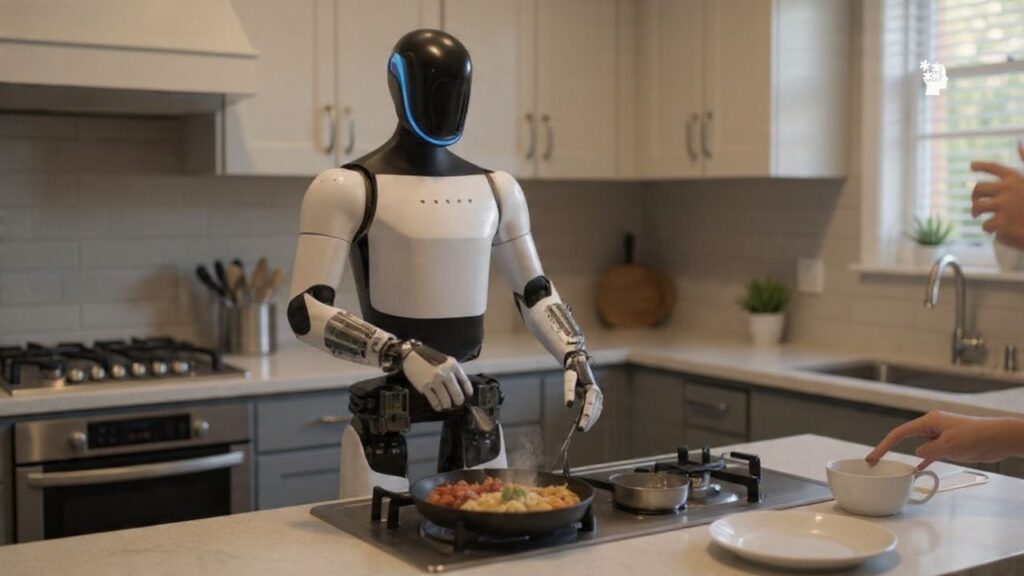
The deployment of humanoid robots—such as the Tesla Optimus—is expected to advance rapidly. While currently performing simple tasks in factories, they are projected to handle complex industrial tasks by the end of 2026 and be available for public sale by the end of 2027. These robots will drive abundance by:
• Providing Essential Care: Robots will be able to watch over children, take care of pets, and protect or care for elderly parents.
• Addressing Demographic Shifts: In many regions, there are not enough young people to care for the elderly; robots can fill this gap, providing high-quality care that is currently too expensive for many.
Reducing Costs through Space and Energy
To sustain this abundance, the “limiting factor” is currently electrical power. The sources suggest that the goal of abundance is supported by shifting infrastructure to more efficient environments:
• Space-Based AI: The lowest-cost location for AI data centres will eventually be space. In space, AI can be powered by solar energy that is five times more effective than on Earth because it is always sunny and lacks atmospheric interference.
• Efficient Cooling: Space provides a highly efficient cooling system (3° Kelvin in the shadow), which is vital for the massive compute power required for advanced AI.
• Plummeting Costs: Because AI companies seek the largest possible customer base, the cost of AI is “plummeting every year”, making these advanced tools accessible to the global population.
Timeline and Risks
The drive toward this future is accelerating, with AI predicted to be smarter than any single human by the end of 2026 and smarter than “all of humanity collectively” by roughly 2030 or 2031. However, this path requires extreme caution to ensure safety and to avoid “James Cameron” style negative outcomes, such as the Terminator scenario. Success depends on maintaining high reliability and safety as these technologies are integrated into society.
Recommended for you