
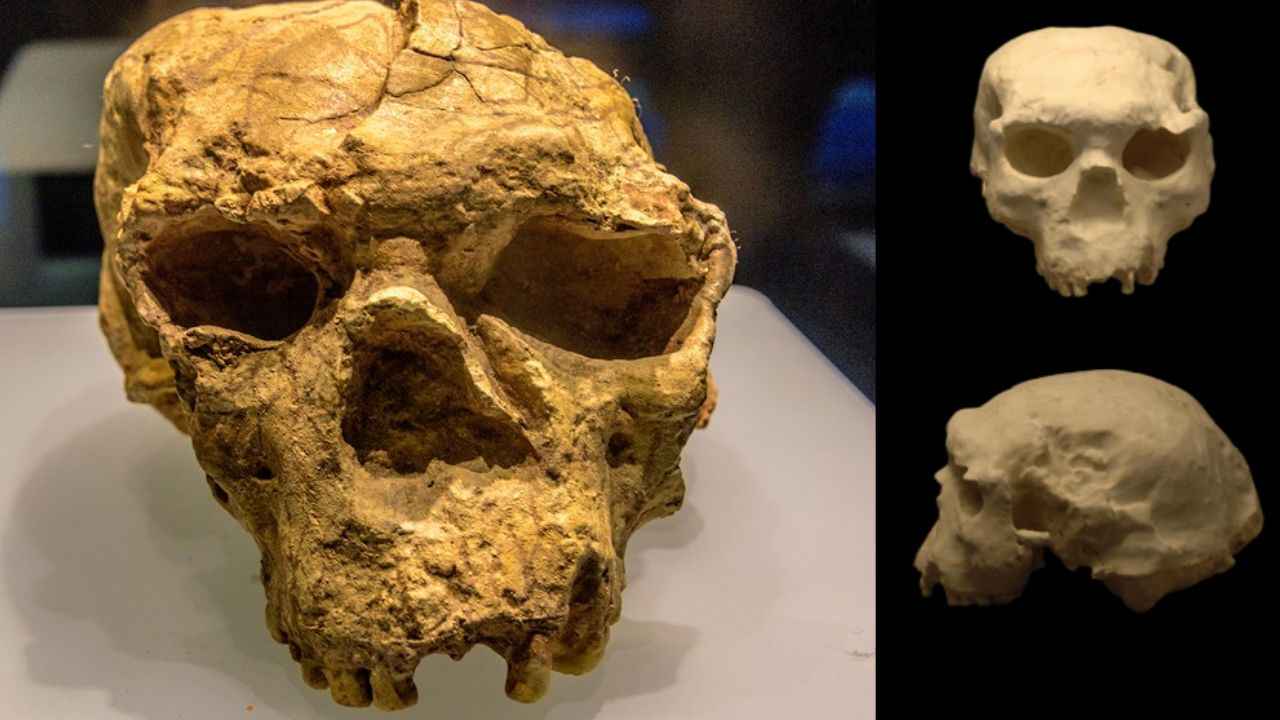
In a groundbreaking discovery, a digitally reconstructed skull from China, known as Yunxian 2, is challenging long-held beliefs about the origins of Homo sapiens. Unearthed in Hubei province and estimated to be 1 million years old, this fossil suggests that our species—or a close relative—may have emerged at least 500,000 years earlier than previously thought. This finding, published in 2025, is prompting scientists to rethink the timeline of human evolution and our connections to other ancient hominins.
Table of Contents
The Yunxian 2 Skull: A Window into the Past
The Yunxian 2 skull was initially classified as belonging to Homo erectus, a more primitive human ancestor. However, advanced digital reconstruction techniques, which corrected for distortions caused by burial, revealed surprising features. The skull shows traits linking it to Homo longi, a species closely related to both Neanderthals and Homo sapiens. Even more intriguingly, it shares characteristics with the Denisovans—a mysterious group known mostly from DNA evidence—and the “Dragon Man” skull discovered in China in 2021.
By comparing Yunxian 2 to over 100 other human fossils, researchers used state-of-the-art imaging and 3D modeling to piece together its original structure. These analyses suggest that the skull belongs to a lineage far more advanced than Homo erectus, placing it at a critical junction in human evolution.
Rewriting the Evolutionary Timeline
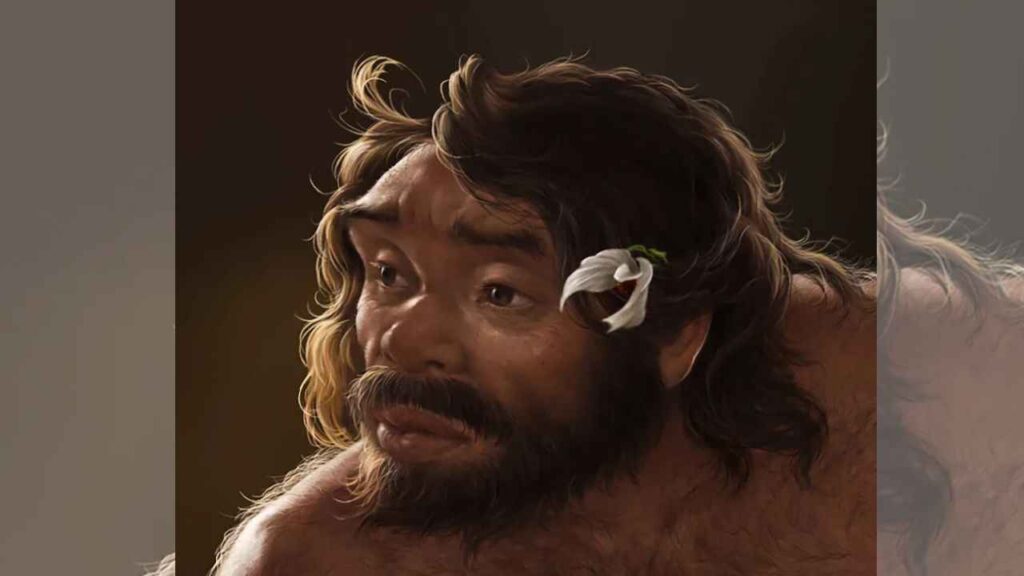
For decades, scientists believed Homo sapiens emerged between 300,000 and 400,000 years ago, primarily in Africa. The Yunxian 2 discovery challenges this narrative, suggesting that the split between Homo sapiens and other advanced hominins, like Denisovans and Neanderthals, may have occurred as early as 1 million years ago. This pushes the timeline of our species’ origins back by at least 500,000 years.
The findings also imply longer periods of coexistence and interbreeding among early Homo sapiens, Denisovans, and Neanderthals. This extended overlap could explain the genetic traces of Denisovans and Neanderthals found in modern human populations, particularly in Asia.
A Revolutionary Yet Cautious Discovery
The scientific community is buzzing with excitement over Yunxian 2’s implications. Experts describe the find as “revolutionary,” with the potential to “completely transform” our understanding of human origins. However, some researchers urge caution, emphasizing the need for additional fossil evidence to confirm these bold claims. The study’s reliance on a single skull, even one as well-preserved as Yunxian 2, highlights the importance of further discoveries to solidify this new evolutionary model.
Why This Matters
The Yunxian 2 skull is more than a fossil; it’s a clue to humanity’s deep past. By suggesting that advanced hominins were present in Asia 1 million years ago, it raises questions about where and how our species first evolved. Was Asia a key cradle of human evolution alongside Africa? How did early humans interact with their Denisovan and Neanderthal cousins? These questions are driving new research and fueling global interest in paleoanthropology.
As scientists continue to study Yunxian 2 and search for more fossils, one thing is clear: this million-year-old skull from China is reshaping the story of who we are and where we came from. It’s a reminder that our past is full of surprises, waiting to be uncovered.