
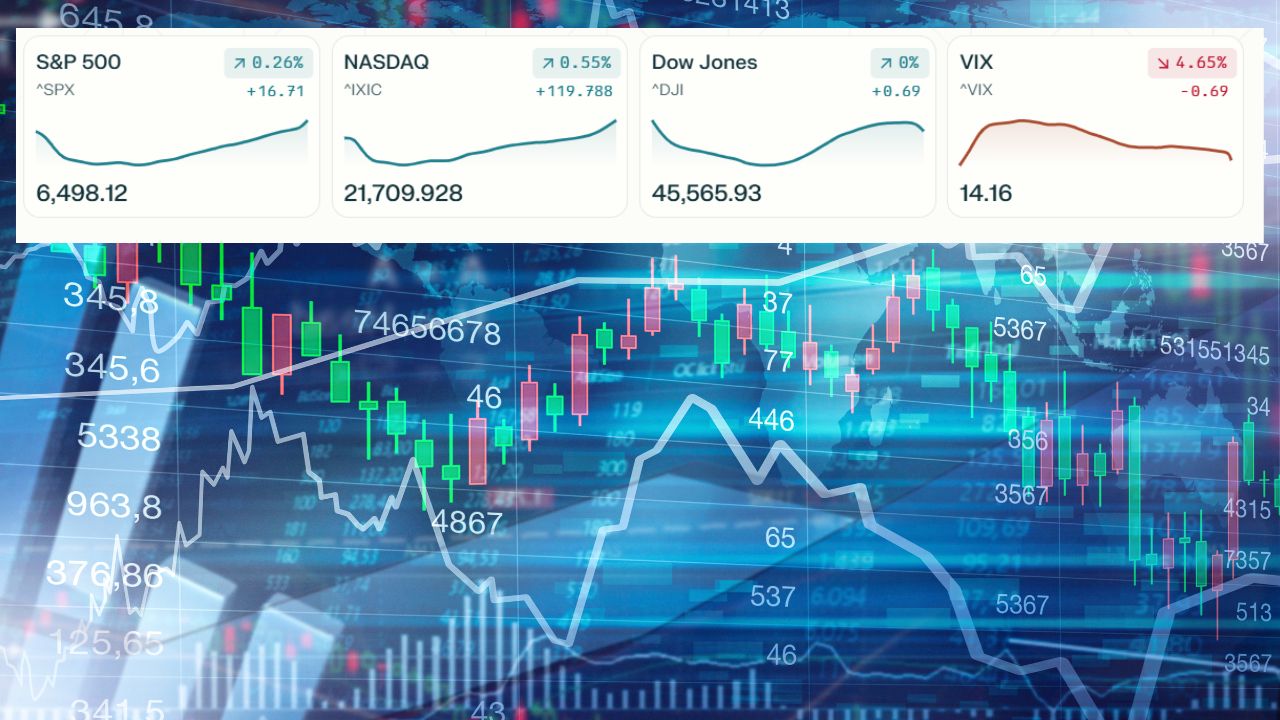
As U.S. markets opened on August 28, 2025, investors grappled with a mix of optimism and caution, driven by Nvidia’s post-earnings volatility, a robust U.S. GDP revision, and escalating trade tensions. The market displayed resilience, with the S&P 500 nearing record highs, but sectoral shifts and geopolitical concerns kept sentiment in check. Here’s a comprehensive look at the day’s key developments and their implications for investors.
Quick Summary
- Nvidia’s Volatility Hits Tech: Nvidia’s shares fell after cautious guidance on China and data center revenue, dragging the Nasdaq down 0.4%.
- S&P 500 Resilient: The index gained 0.2%, supported by energy and healthcare, with investors rotating into small-caps.
- GDP Fuels Optimism: A 3.3% Q2 GDP growth revision boosted confidence, raising odds of a September Fed rate cut.
- Trade and Crypto Dynamics: New tariffs on Indian imports and mixed retail earnings stirred uncertainty, while Bitcoin held steady near $112,000 amid pro-crypto policies.
Table of Contents
Nvidia’s Earnings Spark Tech Sector Jitters
Nvidia, a cornerstone of the AI-driven market rally, reported earnings that beat estimates but disappointed on data center revenue and issued cautious guidance regarding China sales due to ongoing export restrictions. Its shares dropped nearly 2% in regular trading, weighing on the Nasdaq, which fell 0.4%. The broader tech sector, including companies like Broadcom and Palantir, also declined, with the S&P 500 tech index shedding 1.2%.
Despite the pullback, analysts remained optimistic about Nvidia’s long-term growth, citing strong demand for AI chips and raising price targets. The company’s recent revenue-sharing agreement with the U.S. government further solidified its strategic importance. On X, sentiment was divided: some users labeled the dip a “healthy correction,” while others cautioned about an “AI bubble” risk. The volatility underscored the tech sector’s sensitivity to guidance and geopolitical factors.
S&P 500 Nears Record Amid Sector Rotation
The S&P 500 edged up 0.2%, staying close to its all-time high, as investors shifted capital from tech to defensive sectors. Energy stocks climbed 1.15%, supported by a larger-than-expected U.S. oil inventory draw, though crude prices dipped 0.5% due to concerns over seasonal demand and new tariffs on Indian imports. Healthcare stocks rose 0.75%, benefiting from their stability amid market uncertainty.
This rotation reflected caution about tech valuations, with the S&P 500’s price-to-earnings ratio at 22x, a four-year peak. The Russell 2000, tracking small-cap stocks, outperformed, signaling broader market participation. Analysts suggested this shift could cushion the market if tech volatility persists, with one X user noting, “Small-caps are stealing the show as tech takes a breather.”
GDP Strength and Fed Policy Expectations
A revised Q2 GDP growth rate of 3.3% annualized, exceeding initial estimates, reinforced confidence in the U.S. economy’s strength. This optimism, coupled with the CBOE Volatility Index (VIX) dropping nearly 5% to 14.12—its lowest level in 2025—pointed to investor calm. The strong data boosted expectations for a Federal Reserve rate cut in September, with futures markets pricing in an 87% probability of a 25-basis-point reduction.
However, concerns about Fed independence lingered after President Trump’s attempt to dismiss Governor Lisa Cook, raising questions about political influence over monetary policy. Investors are now focused on Fed Chair Jerome Powell’s upcoming Jackson Hole speech for guidance on rate cuts and inflation management. The impending Personal Consumption Expenditure (PCE) data release on Friday, the Fed’s preferred inflation measure, will also be critical.
Trade Tensions and Retail Earnings Divergence
Retail earnings highlighted a split landscape. Dollar General soared 6% after raising its full-year guidance, driven by strong digital sales and operational efficiency. In contrast, Best Buy fell nearly 6% after maintaining conservative guidance, citing potential cost increases from new U.S. tariffs on Indian and Chinese imports. President Trump’s 50% tariff on Indian goods, alongside ongoing U.S.–China trade disputes, fueled uncertainty, with companies warning of supply chain disruptions.
Federal Reserve Governor Christopher Waller cautioned that tariffs could quickly drive up inflation, potentially complicating the Fed’s rate-cut strategy. On X, one user summarized the concern: “Tariffs are a double-edged sword—protectionism boosts some sectors but risks inflation and consumer pain.”
Crypto Stability and Geopolitical Risks
Bitcoin traded steadily near $112,000, bolstered by the U.S. government’s decision to publish GDP data on blockchains like Bitcoin and Ethereum, signaling a crypto-friendly stance under the Trump administration. Crypto-related stocks, such as Coinbase, gained 5.4%, reflecting optimism about regulatory support. However, X posts warned of volatility risks tied to policy shifts, with one user noting, “Bitcoin’s strength depends on Washington’s mood—watch for regulatory surprises.”
Geopolitical tensions added another layer of complexity. Intensified Russian strikes on Kyiv raised concerns about global energy markets, though oil prices remained soft due to tariff-related demand fears. These factors highlighted the fragile balance between economic growth and external risks.
Outlook for Investors
The market’s path forward depends on several catalysts. Nvidia’s upcoming GTC conference could reset expectations for the AI sector, while the Fed’s September meeting and PCE data will shape monetary policy outlook. Investors should monitor tariff developments, which could disrupt corporate earnings and supply chains. Defensive sectors like healthcare and energy, along with small-cap stocks, may offer stability if tech volatility persists, while crypto assets present selective opportunities amid regulatory tailwinds.
Today’s market reflects a delicate balance between economic strength and structural uncertainties. As one X user aptly stated, “GDP’s solid, volatility’s low, but tariffs and tech wobbles keep us guessing.” With the S&P 500 near record highs, investors must stay vigilant as global and domestic dynamics continue to evolve.