
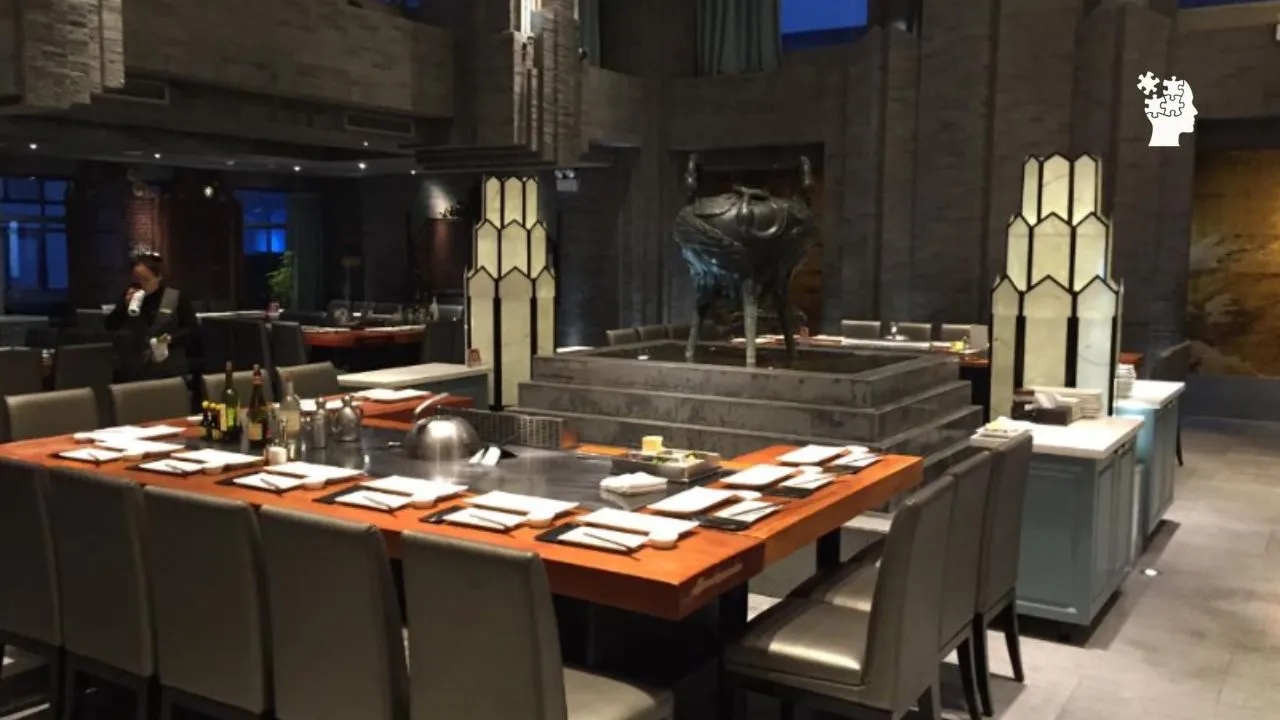
BEIJING — Kazuyuki Tanioka has run Toya, his 18-seat omakase restaurant in Beijing’s Chaoyang district, for more than a decade. On a normal weekend, he turns the tables twice. These days, he’s lucky if four customers walk through the door.
“Since mid-November we’ve had over 60 cancellations,” the 52-year-old chef told me, wiping down a counter that should be crowded with diners choosing between Hokkaido uni and Kagoshima wagyu. “This is worse than COVID. At least then everyone was in the same boat. Now it feels personal.”
Toya is not alone. From Sanlitun izakayas to the hidden sushi counters in embassy districts, Japanese-owned restaurants across the Chinese capital are bleeding reservations at a speed many owners describe as “unprecedented.” Some report drops of 70–80 percent since early November. A handful are already drafting closure notices for early 2026.
The trigger? A single parliamentary exchange in Tokyo on November 7.
Japan’s Prime Minister Sanae Takaichi, asked what Japan would do if China moved militarily on Taiwan, replied that Tokyo “would naturally respond” and that “all options, including the use of force to defend allies, remain on the table.” Beijing called the remark “extremely dangerous.” Within days the fallout reached dinner tables 2,500 kilometers away.
On November 14 China issued a travel advisory urging citizens to “fully assess risks” before visiting Japan. Five days later Beijing quietly reimposed its ban on Japanese seafood imports — only weeks after easing restrictions following the Fukushima water release dispute. By the end of the month, Chinese airlines had axed more than 1,900 December flights to Japan — roughly 40 percent of scheduled services.
Then the phones at Japanese restaurants stopped ringing.
“It’s not that people are angry,” says the manager of a well-known tempura bar in Gulou, who asked not to be named. “Many just cancel quietly. They say ‘family reasons’ or ‘change of plans.’ But we know why.”
The chilling effect has spread beyond food. Two Japanese films scheduled for December release have been “postponed indefinitely.” Concerts by Japanese artists have vanished from ticketing apps. Even Japanese-branded convenience stores report slower foot traffic.
At the Japanese embassy in Beijing, officials privately admit they are stunned by the speed and breadth of the retaliation. One diplomat, speaking on background, said: “We expected a strong diplomatic protest. We did not expect a full-spectrum economic squeeze that punishes private citizens on both sides.”
Back at Toya, Tanioka is already scouting locations in Tokyo. Leaving would mean separating from his Chinese wife and their young daughter, who attend local schools. “I never thought politics would force me to choose between my family and my livelihood,” he says, voice flat. “But the numbers don’t lie. If this continues another two months, we’re finished.”
As winter deepens over Beijing, the neon signs of Japanese restaurants still glow warmly on empty streets — for now. How many will still be lit when spring arrives is a question no one, from chefs to prime ministers, can yet answer.
Read More: Elon Musk’s Universal High Income: A Utopian Dream Facing Brutal Real-World Hurdles