
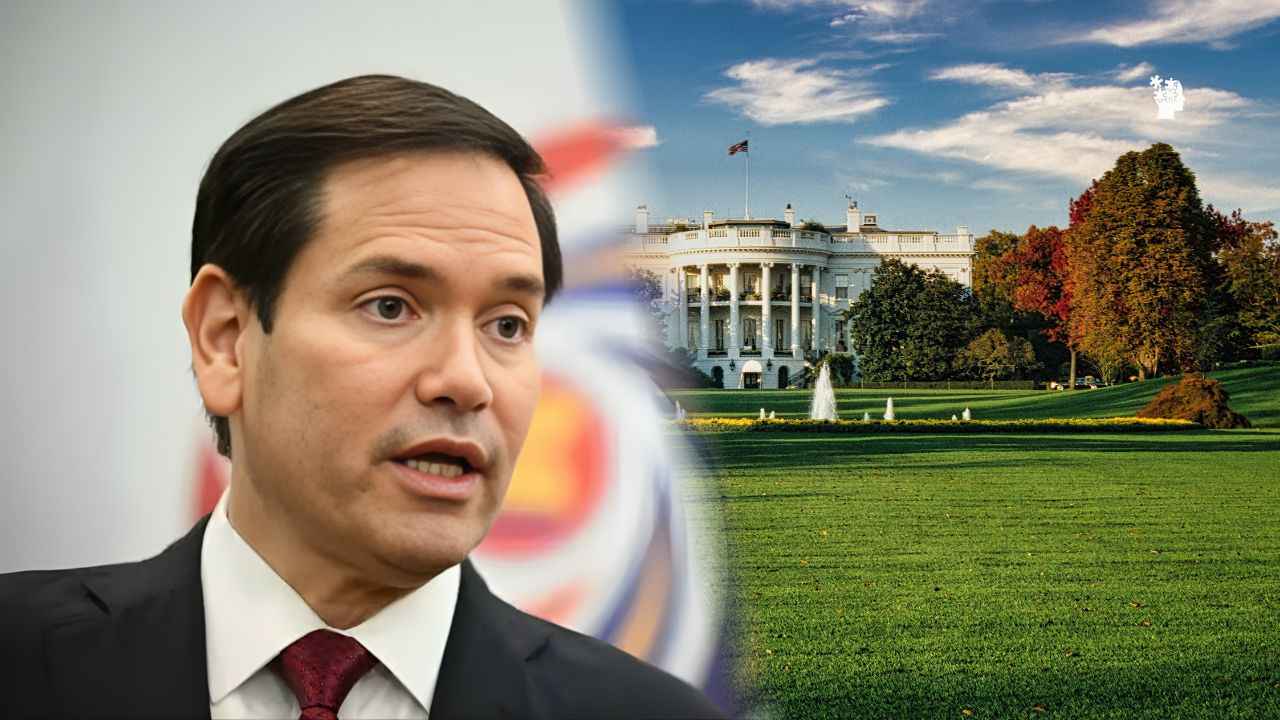
In a striking admission that has rippled through diplomatic circles, U.S. Secretary of State Marco Rubio acknowledged on February 25, 2026, that Iran is not currently enriching uranium. The statement, made to reporters during a visit to St. Kitts and Nevis, directly challenges recent claims from within the Trump administration portraying Tehran as on the brink of producing bomb-grade nuclear material—and it weakens the case for potential U.S. military action against Iran’s nuclear infrastructure.
Speaking from Robert L. Bradshaw International Airport, Rubio described Iran’s nuclear facilities as having been “obliterated” in the U.S. strikes of June 2025, part of Operation Midnight Hammer during the brief but intense Iran-Israel conflict. Yet he added a key qualifier: “They’re not enriching right now, but they’re trying to get to the point where they ultimately can.” He emphasized Iran’s persistent efforts to rebuild elements of its program and its insistence on the right to enrich uranium, often in deeply buried facilities, which he suggested signals ulterior motives beyond peaceful energy use.
This candid assessment stands in sharp contrast to assertions made just days earlier by Special Envoy Steve Witkoff. In a February 22 Fox News appearance, Witkoff claimed Iran’s uranium had reached 60% purity and that Tehran was “probably a week away from having industrial-grade bomb-making material.” President Donald Trump echoed similar alarm in his February 24 State of the Union address, accusing Iran of pursuing “sinister ambitions” and restarting its nuclear weapons program despite warnings following the June strikes.
The discrepancy highlights mixed messaging within the administration at a critical juncture. Indirect U.S.-Iran talks mediated by Oman concluded a third round in Geneva on February 26 without a breakthrough, though both sides agreed to reconvene soon. U.S. negotiators have demanded zero enrichment on Iranian soil, the transfer of existing highly enriched uranium stockpiles abroad, and curbs on ballistic missiles—issues Iran has rejected as non-negotiable. Rubio himself described Iran’s refusal to discuss missiles as a “big, big problem,” while expressing hope for productive diplomacy amid a significant U.S. military buildup in the Middle East.
Experts and independent assessments cast further doubt on the more urgent claims. Daryl Kimball of the Arms Control Association told outlets that converting existing stockpiles to weapons-grade would likely take months, not a week. Michael Singh of the Washington Institute noted no evidence of operating centrifuges, meaning Iran cannot further enrich uranium at present. IAEA Director General Rafael Grossi, in recent statements, confirmed that Iran’s pre-strike enriched material remains in large quantities but emphasized no indications of active weapons development efforts. He has stressed that inspections of damaged sites (Natanz, Fordow, and Isfahan) remain limited, but no revival of enrichment activities has been detected.
The June 2025 strikes, which Trump repeatedly hailed as having “completely and totally obliterated” key facilities, were intended to set back Iran’s program by years. Initial assessments suggested only partial degradation, with core components potentially intact and recovery possible within months. Iran’s program has since appeared stalled, with no detected attempts to resume large-scale enrichment.
Rubio’s remark arrives as the administration balances threats of force with ongoing negotiations. While officials insist Iran remains a grave threat—pointing to its missile advancements and regional proxies—the admission that enrichment has ceased undercuts the narrative of imminent breakout capability that has justified military posturing. Critics argue this inconsistency risks eroding credibility, especially as talks hinge on verifiable limits rather than preemptive action.
As diplomacy continues next week in Vienna at the technical level, the administration faces a narrowing window to secure a deal before escalating rhetoric translates into strikes. Rubio’s words, intended to underscore long-term concerns, have instead spotlighted a key vulnerability in the White House’s public rationale: if Iran isn’t enriching now, the urgency for military intervention may be overstated, shifting the burden toward sustained pressure through sanctions, verification, and negotiation rather than force.