
Table of Contents
Quick Analysis: The India-EU “Mother of All Deals”
What is the India-EU FTA? The India-EU Free Trade Agreement is a historic pact concluded on January 27, 2026, aimed at eliminating trade barriers between a combined market of 2 billion people.
- Impact on USA: The deal provides EU companies (like BMW and LVMH) with a 60% tariff advantage over American rivals in India.
- Strategic Shift: India is aligning with EU digital and carbon standards, potentially locking U.S. “Big Tech” out of future regulatory frameworks.
- The “Trump Hedge”: Both regions are using this pact to insulate themselves from rising U.S. protectionism and 100% tariff threats.
After 18 years of stalled negotiations, India and the European Union have officially concluded a historic Free Trade Agreement (FTA) today in New Delhi. While the deal creates a massive market of 2 billion people, its real impact lies in how it reshapes the global trade landscape—specifically challenging the dominance of U.S. goods and influence in the Indo-Pacific.
1. The Global Impact: Why the USA Should Care
For years, the U.S. has been India’s top trading partner, but this new pact gives European companies a massive “head start” that American firms currently lack.
- Tariff Disadvantage for U.S. Cars: Under the new deal, India is slashing tariffs on EU-made cars from 110% down to 40%. Without a similar U.S.-India deal, American automakers like Ford and Tesla will remain priced out of the market while BMW and Mercedes-Benz flood the streets of Delhi and Mumbai.
- Wine and Spirits War: French and Italian wines will now enter India with significantly lower duties. California’s wine industry, already struggling with high Indian taxes, will likely lose market share to European competitors overnight.
- The “Trump Tariff” Hedge: Both India and the EU have explicitly stated that this deal is a “strategic shield” against the unpredictable trade policies and 100% tariff threats currently coming from Washington.
2. Strategic “Bridge” Analysis: EU vs. USA Influence
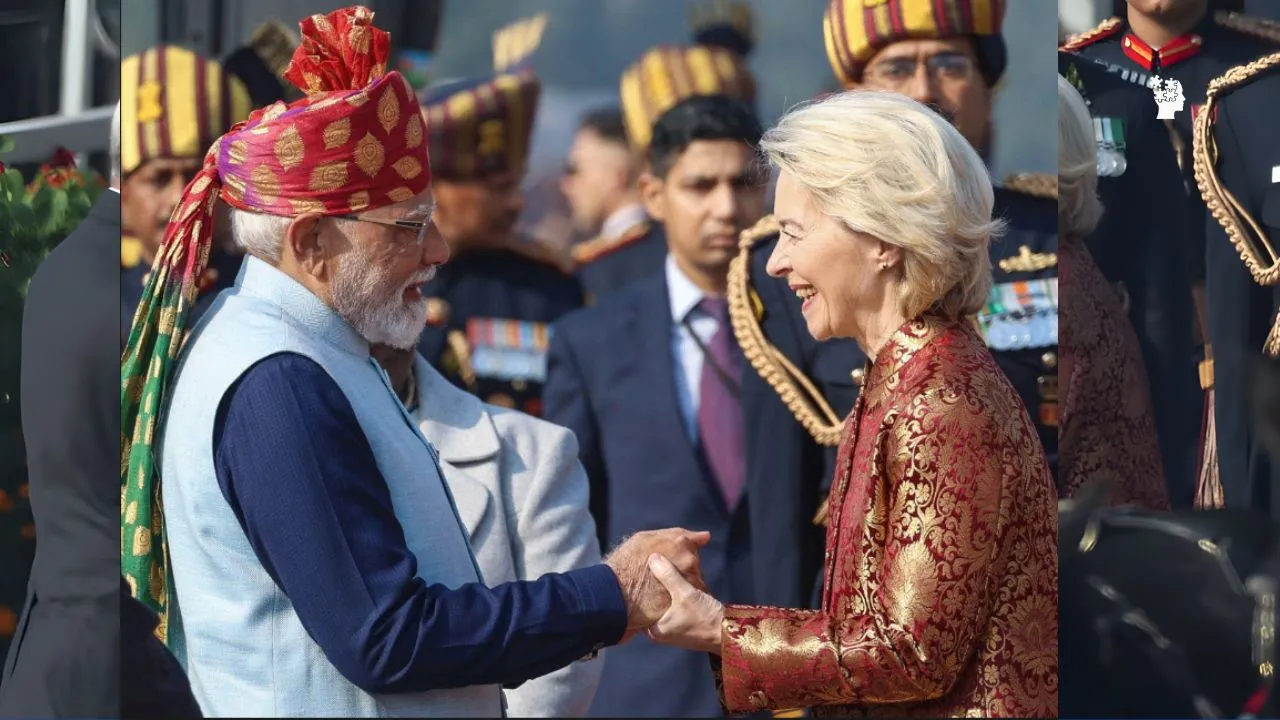
The conclusion of this deal on India’s 77th Republic Day—with EU leaders as Chief Guests—signals a pivot. India is effectively telling the world that it doesn’t need to wait for a U.S. trade deal to grow.
Digital & AI Sovereignty
A key chapter in the FTA covers Digital Trade. By aligning with the EU’s strict regulatory standards (similar to GDPR), India is moving closer to the European “Brussels Effect” and further away from the U.S. “Silicon Valley” model of light regulation. This could make it harder for U.S. tech giants to operate in India if they don’t meet these new, shared India-EU standards.
3. What’s Next for American Markets?
The “Mother of All Deals” is expected to be formally signed by March 31, 2026. For U.S. policymakers, this puts immense pressure on the Office of the U.S. Trade Representative (USTR).
The Bottom Line: If the U.S. continues to focus on “America First” protectionism while the rest of the world signs “everyone else” trade deals, American farmers and manufacturers will find themselves locked out of the world’s fastest-growing middle-class market.
Sources & References
- Ministry of Commerce, India – Press Release (Jan 26, 2026)
- European Commission – Joint Statement on 16th India-EU Summit
- Nikkei Asia – Impact of India-EU FTA on Global Supply Chains