
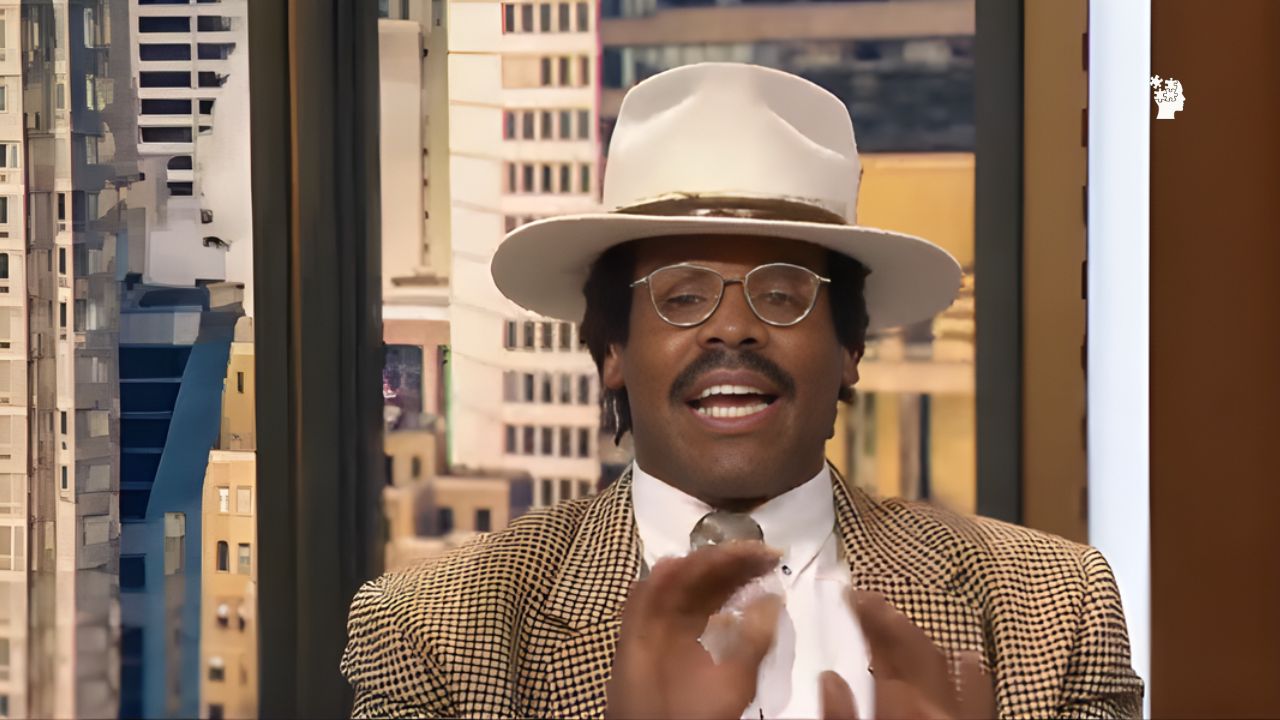
In the ever-evolving circus that is sports media, few personalities stir the pot quite like Cam Newton. The former NFL MVP and Heisman Trophy winner has carved out a niche as a bold, unfiltered commentator on ESPN’s First Take, where hot takes fly faster than a Hail Mary pass. But on a recent episode, Newton’s commentary on Notre Dame football sparked widespread debate—and a swift on-air correction that highlighted the fine line between opinion and fact in today’s college football landscape. Let’s break down the context, explore why Newton might have lobbed this grenade, and then dive into an analysis of whether his claim holds water.
The Context: A Slip-Up on National TV
The incident unfolded during a segment on First Take discussing the state of college football powerhouses. Newton, known for his charismatic flair and sometimes provocative opinions, declared that Notre Dame “hasn’t been relevant in years.” It was a blunt assessment, one that seemed to dismiss the Fighting Irish’s recent achievements outright. Almost immediately, co-host Shae Cornette jumped in with a factual rebuttal: Notre Dame had just appeared in the 2025 College Football Playoff (CFP) National Championship Game against Ohio State on January 20, 2025.
For those who missed it, here’s the quick recap: In the inaugural season of the expanded 12-team CFP format, Notre Dame entered as the No. 7 seed. They kicked off their playoff run with a convincing first-round win over Indiana, setting up a high-stakes semifinal clash. However, they fell short in the title game, losing 34-23 to the Buckeyes in a matchup that showcased Ohio State’s offensive firepower against Notre Dame’s resilient but ultimately outmatched defense. This was Notre Dame’s deepest playoff penetration since the format’s expansion, a milestone under head coach Marcus Freeman, who has been steadily rebuilding the program since taking over in 2021.
The clip of Newton’s comment, shared by @awfulannouncing on X (formerly Twitter), quickly went viral, amassing over 11,000 likes and igniting a firestorm in the replies. Fans and analysts alike piled on, criticizing Newton for doubling down on his take rather than acknowledging the error. It wasn’t just about the factual inaccuracy; it tapped into broader frustrations with ESPN’s hiring of ex-players for their star power, sometimes at the expense of nuanced analysis. Replies ranged from defenses of Notre Dame’s blue-blood status to calls for better vetting of on-air talent. In a sport as tradition-steeped as college football, dismissing a program like Notre Dame is like waving a red flag in front of a bull—or in this case, a leprechaun.
Why Is Cam Newton Saying This?
Newton’s comment didn’t emerge in a vacuum. As a former Auburn star who led his team to a national title in 2010, Newton views college football through the lens of dominance and championships. His career trajectory—from community college standout to Heisman winner to NFL supernova—has always been about proving doubters wrong and embracing the underdog narrative. But when it comes to Notre Dame, his perspective might stem from a few key factors:
- Historical Drought: Notre Dame’s last undisputed national championship was in 1988 under Lou Holtz. Since then, they’ve been perennial contenders but consistent underachievers in the big moments. High-profile losses in BCS title games (like the 2013 blowout to Alabama) and early CFP exits have fueled the narrative that the Irish are more hype than hardware. Newton, at 36, grew up in an era where Notre Dame’s glory days felt like ancient history, overshadowed by SEC powerhouses like Alabama, Georgia, and his own Auburn.
- The SEC Bias: Newton’s roots in the Southeastern Conference (SEC) can’t be ignored. The SEC has dominated college football for the better part of two decades, winning 13 of the last 18 national titles. From Newton’s vantage point, “relevance” might equate to consistent title contention in a conference like the SEC, Big Ten, or now the expanded Big 12. Notre Dame, as an independent, operates outside that grind, scheduling a mix of marquee games but avoiding the week-in, week-out brutality of conference play. Critics like Newton might see this as a shortcut that inflates their record without proving true mettle.
- Media Persona and Hot Takes: Let’s be real—First Take thrives on controversy. Newton, with his larger-than-life personality, is tailor-made for it. His style often involves bold proclamations to spark debate, much like Stephen A. Smith’s rants or Shannon Sharpe’s intensity. Saying Notre Dame “hasn’t been relevant” is classic clickbait fodder, designed to provoke reactions from the program’s massive fanbase. Newton even doubled down in the clip, arguing that relevance means sustained excellence, not one-off appearances. It’s entertainment as much as analysis, and in a post-ESPN+ world, that’s what keeps viewers tuning in.
In short, Newton’s take reflects a blend of personal experience, regional loyalty, and the demands of modern sports media. It’s not malice; it’s mindset.
Analysis: Is Cam Newton Right?
Now, the million-dollar question: Is Newton onto something, or was this just a factual fumble? As someone who’s covered college football for over a decade, I’d argue it’s a bit of both—but ultimately, Newton has a point if we’re talking strict relevance in the championship era.
On one hand, Newton’s claim is factually flawed. Notre Dame was in the national title game just a year ago (as of this writing in early 2026). That’s not ancient history; it’s fresh ink. Under Freeman, the Irish have posted back-to-back 10-win seasons, recruited top-tier talent (like quarterback Riley Leonard and a stout defensive line), and navigated the NIL/transfer portal chaos effectively. Their independence gives them national visibility—every game is a primetime event—and their brand remains one of the most valuable in sports, with NBC deals and a global alumni network. By metrics like TV ratings, merchandise sales, and recruiting rankings, Notre Dame is undeniably relevant. Dismissing them outright ignores their role as a bellwether for the sport’s health.
That said, if “relevance” means influencing the national title conversation year after year—like Alabama under Saban or Georgia under Smart—then yeah, Newton nails it. Notre Dame hasn’t won a major bowl game since the 1994 Cotton Bowl, and their playoff record is a dismal 0-3 entering title games. The 2025 run was impressive, but it ended in familiar fashion: outclassed by a more athletic opponent. In an era where the CFP rewards conference champions and super-teams, Notre Dame’s model feels outdated. They flirt with greatness but rarely seal the deal, leading to the perpetual “overrated” label from skeptics.
Is Newton “right”? It depends on your definition. If relevance is about cultural footprint and consistent competitiveness, no. But if it’s about rings and dominance, absolutely. This debate underscores college football’s shifting sands: With conference realignment swallowing independents and the 12-team playoff amplifying mismatches, programs like Notre Dame must evolve or risk fading into nostalgia. Newton’s take, flawed as it was, forces us to confront that reality.
In the end, college football thrives on these arguments. Newton might have whiffed on the facts, but he hit a nerve—and that’s why we’ll keep watching. What do you think, fans? Sound off below.