
Inspired by the Unfiltered Genius of Elon Musk and Nikhil Kamath
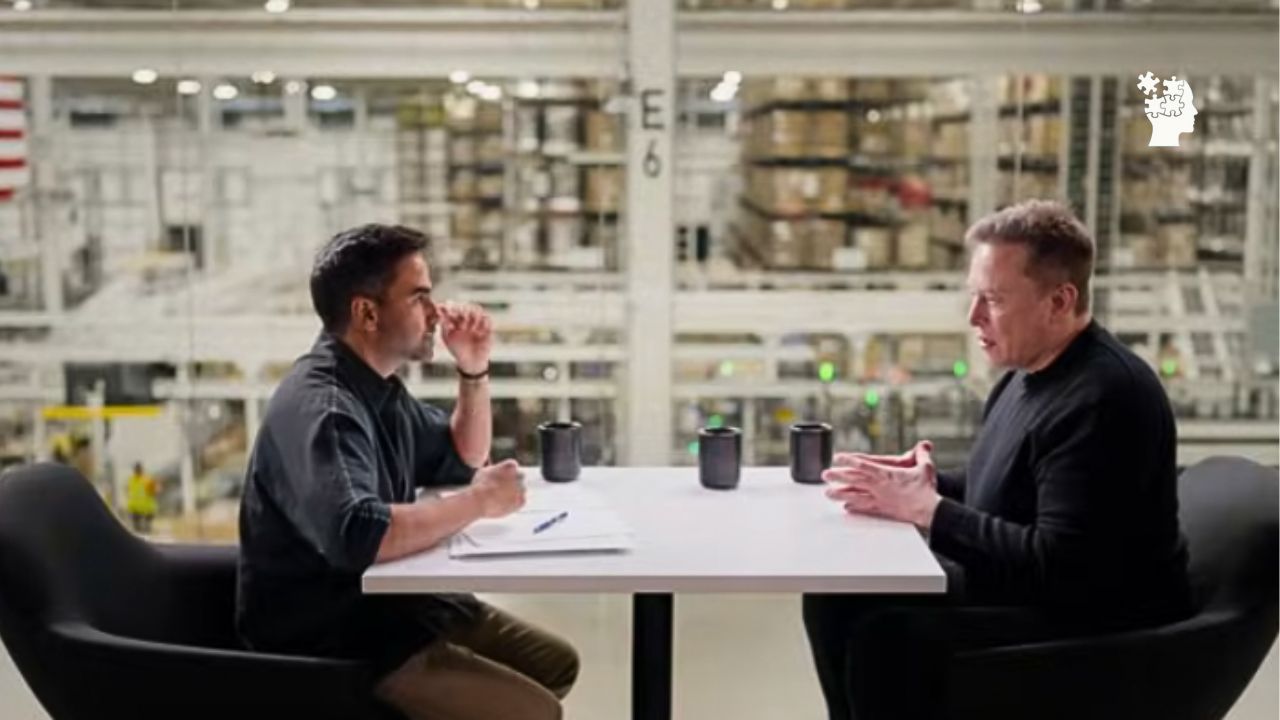
Imagine sitting across from the man who’s launching rockets, revolutionizing cars, and pondering the universe’s deepest riddles — all while cracking jokes about ancient Roman skirts. That’s the vibe of this epic two-hour brain-dump between Elon Musk and Nikhil Kamath, the sharp-witted Indian entrepreneur behind Zerodha and the “People by WTF” podcast. No teleprompters, no PR spin–just two visionaries riffing on everything from the meaning of life to why working might soon be optional. If you’re an ambitious hustler in India (or anywhere) dreaming of your next big swing, this conversation isn’t just inspiring; it’s a blueprint for navigating chaos. Buckle up—here’s the full, juicy breakdown that’ll make you rethink your to-do list.
Table of Contents
The Warm-Up: Coffee, Muscles, and the X Factor
The episode kicks off in classic podcast fashion: awkward small talk that quickly turns gold. Kamath, hosting for his audience of “wannabe entrepreneurs in India,” can’t help but note how Musk looks way more jacked in person than his pixelated online persona suggests. “You’re a lot bigger and bulkier, muscular than I would have thought,” Kamath quips, making Musk blush and laugh. Over coffee (Musk’s a “sure, why not?” guy), they dive straight into X (formerly Twitter), Musk’s digital playground with 600 million monthly users.
Musk drops a bombshell early: X isn’t chasing TikTok-style dopamine hits. “My goal is not to do that,” he says. Instead, it’s evolving into a “global town square” blending text, video, and everything in between—a collective consciousness for humanity. Text? Still king for dense ideas among thinkers and writers. But video’s surging, and Musk predicts AI will soon let us chat face-to-face with digital avatars. He bought Twitter (now X) because it had veered too far left, stifling free speech. “It was heading in a direction that had a more negative influence on the world,” Musk admits. For young builders listening, it’s a reminder: Platforms aren’t neutral; they’re mirrors of their creators’ souls.
The Big Questions: Life, the Universe, and Why We’re All Just Fancy Cells
Things get cosmic fast. Kamath probes the “meaning of life” rabbit hole—why are we here? What’s the origin of the universe? Musk, channeling his inner Douglas Adams from The Hitchhiker’s Guide to the Galaxy, lands on a gem: “Don’t panic.” But seriously, he argues life’s about expanding consciousness. “There’s clearly more that happens when you have trillions of cells working as a cellular collective than one cell,” he says. Scale that up to humanity, and X becomes the tool to amplify our shared brainpower, unlocking universal truths.
From individuals vs. collectives, they pivot to investing wisdom. Kamath, a stock whiz, asks what makes a company investable. Musk’s rule? Bet on the team and their drive to create “useful products and services.” Forget daily stock swings; over time, value creation wins. It’s entrepreneur catnip: Build something people need, and the money follows like gravity.
The Work That’s Wiring the Future: Tesla, SpaceX, xAI, and Starlink Magic
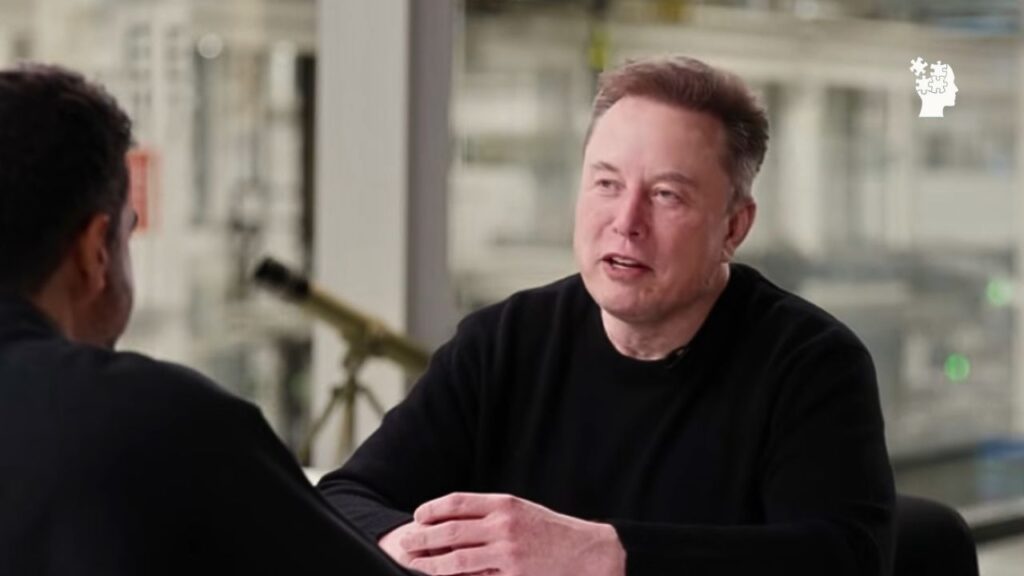
Now, the meaty stuff—what’s got Musk buzzing? At Tesla, it’s autonomy and robots turning drudgery into delight. SpaceX? Reusable rockets slashing space travel costs, making Mars a weekend jaunt. But xAI steals the spotlight: Grok, his cheeky AI sidekick, is all about “maximum truth-seeking” without the woke filters plaguing others.
Starlink gets a simple explainer: Thousands of satellites zipping at 25 times the speed of sound in low-Earth orbit, beaming internet to the unconnected. For India—poised for massive urbanization like China—Musk envisions a game-changer. “Working will be optional,” he predicts, thanks to AI-driven abundance. Enter Universal High Income (UHI): Not quite universal basic income, but a safety net where productivity explodes, and humans chase passion over paychecks. But here’s the twist—human competitiveness might not vanish. “If everybody gets enough, somebody wanted to be the alpha hunter or the biggest farmer,” Musk muses, nodding to our caveman wiring. Delayed gratification (shoutout to the marshmallow test) will still rule.
Oh, and why the obsession with the letter X? Musk grins: It’s “the coolest letter,” evoking the unknown—like space exploration. From X.com to SpaceX, it’s his signature for the infinite.
Money’s Illusion, AI’s Tsunami, and the Simulation We’re Probably In
Money talk turns profound. “Money is really an information system for labor allocation,” Musk explains. It’s not power; it’s useless without people to move. Long-term? It vanishes in a post-scarcity world, replaced by energy as the ultimate currency. But short-term chaos looms: U.S. debt is “insanely high,” with interest payments topping the military budget. AI could flip this—deflation via hyper-productivity—but we’re stuck in inflation because the tech tsunami hasn’t fully hit yet.
Cue The Matrix vibes. Musk pegs our odds in a simulation at “probably pretty high.” If we’re code in some alien’s game, what’s the cheat code? “Seek truth and beauty,” he advises, echoing laws of nature over rigid commandments. Morality? It’s emergent—like not needing a “don’t kill” rule if empathy’s baked in. Religion gets a GTA nod: Games let us explore vice without real harm, a sandbox for ethics.
Musk’s simulation remix? Not dystopian doom, but a call to level up. Expand consciousness, or risk deletion.
Family Files: Kids, College, and the Nature vs. Nurture Tango
Personal territory next: Musk’s “army” of kids. He advocates big families to counter population collapse—”Civilization will end if we don’t have more.” Nature vs. nurture? Both, but nurture’s key—expose kids to wonder, not screens. On college: “Should kids still go?” Musk’s verdict: Only if it’s hands-on, like physics or engineering. Otherwise, skip the debt; build real-world skills. For Kamath’s Indian audience debating MBAs, it’s a gut punch: Degrees are dinosaurs in an AI era.
Taming the AI Beast: Regulation, Nuance, and the Greek Renaissance
AI fears? Musk’s optimistic but vigilant. Regulate it like cars or planes—safety first, but don’t stifle. Can AI grasp human nuance, like sarcasm or beauty? “Truth, beauty, and curiosity,” Musk says— that’s the holy trinity. Future humans? Philosophizing like ancient Greeks, freed from toil to ponder existence.
Language endures as timeless: English’s “open-source” evolution—borrowing words for massive vocabulary—makes it a high-bandwidth superpower.
Bets, Battles, and Belly Laughs: Investments, Humor, and the David Slingshot
Where to park cash? Musk demurs on stocks but tips AI giants like Google and Nvidia— they’ll dwarf everything. Society loves underdogs (David vs. Goliath), Musk notes wryly; he’s often cast as the armored giant (joke: Roman skirts beat plate mail for bathroom breaks).
Humor? Absurdity wins—Monty Python over safe laughs. AI like Grok nails roasts but fumbles true wit. Friendships? Built on resonance—deep chats on the universe (skip simulation talk at parties), shared swims, and crisis support. Power’s fleeting, like “volts”—Musk read Nietzsche young, calling him a miserable “troll.”
Politics Unplugged: Tariffs, DOGE, and the Immigration Tightrope
Politics as “blood sport”? Steer clear, Musk warns—echoing Michelangelo ignoring critics. Tariffs? Economic poison, distorting free markets (Milton Friedman’s pencil parable shines here). Global trade thrives on flow, not walls.
DOGE (Department of Government Efficiency) gets love: Simple fixes like payment codes save billions; fraudsters hide behind sob stories (fake panda NGOs, anyone?). Philanthropy? Tricky—focus on real impact, anonymously.
Immigration: Musk credits Indian brain drain for U.S. wins but slams recent chaos—Biden’s open borders invited the wrong crowd. H1B visas? Essential for talent, despite abuses; shutdowns hurt innovation.
The Entrepreneur’s Gospel: Grind, Give, and Go Big
Closing advice for India’s hungry youth: “Aim to make more than you take.” Create value—useful stuff that delights—and wealth chases you. Happiness? It’s indirect: Grind through failures, surround with resonant friends, and remember, “Politics is a blood sport.” Kamath thanks connector Manoj Ladwa of India Global Forum, hailing India’s decade.
This chat isn’t a lecture; it’s a spark. Musk’s unfiltered fire reminds us: The future’s optional work, simulated odds, and AI abundance, but only if we build boldly. Watch the full episode—it’s two hours you’ll replay. What’s your takeaway? Drop it in the comments. Civilization’s counting on us.
Inspired by the episode of “People by WTF.” All quotes direct from the unscripted goldmine.