
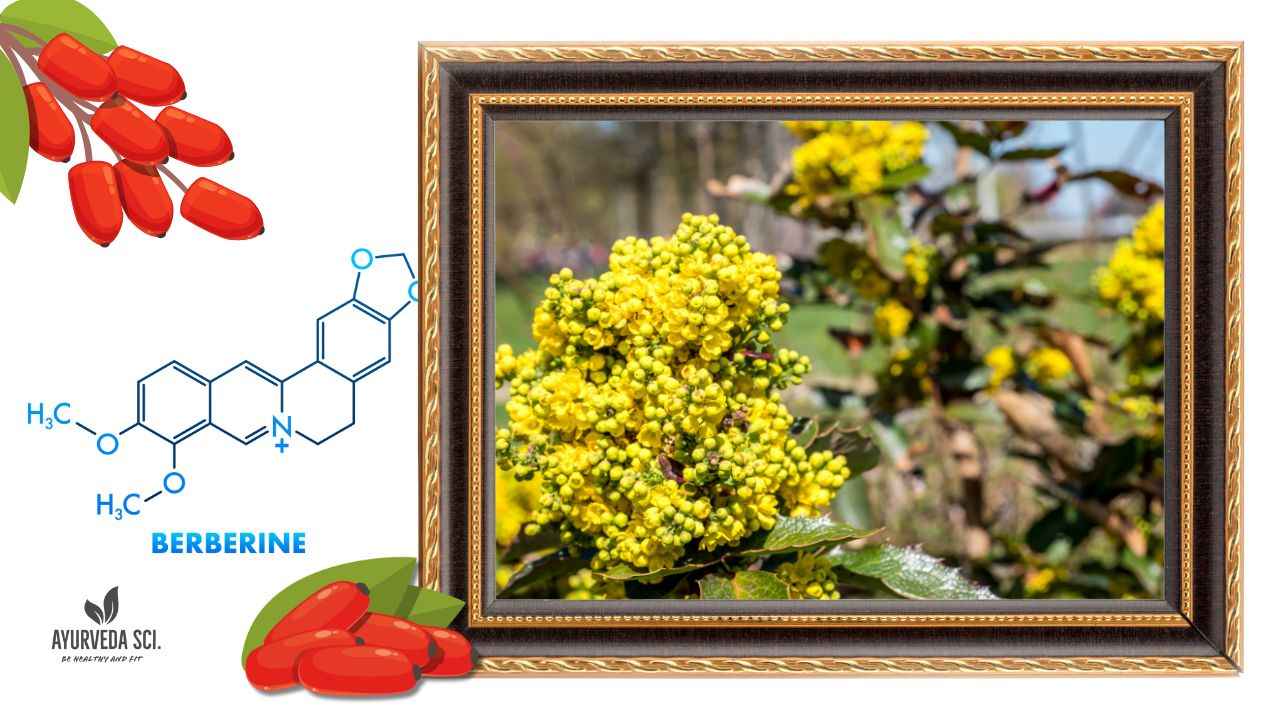
Berberine is a naturally occurring compound that has gained significant attention in recent years for its potential health benefits, particularly in managing metabolic conditions like diabetes, high cholesterol, and obesity. Often dubbed “nature’s Ozempic” due to its effects on blood sugar and weight loss, berberine is an alkaloid extracted from various plants used in traditional Chinese and Ayurvedic medicine for centuries. This comprehensive article dives deep into everything you need to know about berberine—from its origins and chemical makeup to its proven benefits, potential risks, dosage recommendations, and comparisons with other treatments. Backed by scientific studies and meta-analyses, we’ll explore how berberine works, supported by tables for easy comparisons and visual explanations.
Whether you’re considering berberine as a supplement for heart health, weight management, or blood sugar control, this guide provides all the information to help you make an informed decision. Unlike many blogs that skim the surface, we’ll cover the full spectrum, including lesser-known aspects like its role in gut health and anti-inflammatory effects.
Table of Contents
What Is Berberine?
Berberine is a bitter-tasting, yellow-colored alkaloid (a type of organic compound) found in the roots, rhizomes, stems, and bark of several plants. Chemically, it’s classified as a quaternary ammonium salt with the molecular formula C20H18NO4+. It’s part of the protoberberine alkaloid family, featuring a structure with three aromatic rings and a quaternary nitrogen atom, which contributes to its biological activity, such as inhibiting enzymes like acetylcholinesterase.
Berberine isn’t a nutrient in the traditional sense (it has no caloric value or macronutrients like proteins, fats, or carbs), but it’s valued for its bioactive properties. As a supplement, it’s typically available in capsule form, derived from plant extracts, and doesn’t provide vitamins or minerals directly. However, its chemical composition allows it to interact with cellular pathways, activating enzymes like AMPK (adenosine monophosphate-activated protein kinase), which regulates metabolism.
Nutritional and Chemical Profile
Berberine itself has negligible nutritional value, as it’s a purified compound rather than a food. Supplements are often standardized to 500–1,500 mg per dose, with no calories, fats, or sugars. For context, here’s a table summarizing its basic chemical and supplemental profile:
| Aspect | Details |
|---|---|
| Molecular Formula | C20H18NO4+ |
| Molecular Weight | 336.36 g/mol |
| Solubility | Poor in water; better in organic solvents (low bioavailability) |
| Caloric Content | 0 kcal (not a food source) |
| Key Bioactive Mechanism | Activates AMPK; inhibits enzymes like PTP1B for metabolic regulation |
| Typical Supplement Form | Capsules (500 mg berberine HCl per serving) |
This table highlights why berberine is prized for its pharmacological effects rather than nutrition.
Natural Sources of Berberine
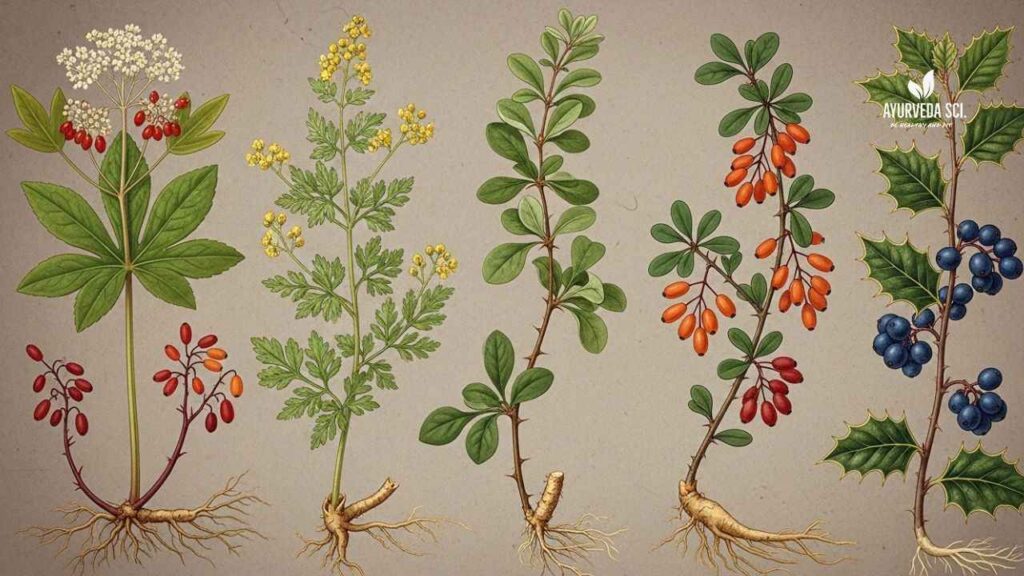
Berberine is not found in common foods but is abundant in certain medicinal plants. The highest concentrations come from the Berberidaceae family, though it’s also present in other species. Here’s a table listing key plant sources, their berberine content estimates (where available), and traditional uses:
| Plant Name | Scientific Name | Berberine Content (approx.) | Traditional Uses | Regions Grown |
|---|---|---|---|---|
| Barberry | Berberis vulgaris | 1–5% in roots/bark | Digestive aid, antimicrobial | Europe, Asia |
| Goldenseal | Hydrastis canadensis | 2–4% in rhizomes | Immune support, anti-inflammatory | North America |
| Oregon Grape | Mahonia aquifolium | 1–3% in roots | Skin conditions, liver health | Western North America |
| Chinese Goldthread | Coptis chinensis | Up to 8% in rhizomes | Fever reduction, gut health | China, East Asia |
| Tree Turmeric | Berberis aristata | 2–4% in roots | Diabetes management, wound healing | Himalayas, India |
| Phellodendron | Phellodendron amurense | 1–2% in bark | Anti-diarrheal, anti-inflammatory | East Asia |
These plants are the primary sources for berberine supplements, with barberry being a sustainable option. Consuming these plants directly (e.g., as teas) provides berberine, but supplements offer standardized doses for therapeutic effects.
Health Benefits of Berberine: Backed by Science
Berberine’s benefits stem from its ability to influence metabolic pathways, reduce inflammation, and combat microbes. Multiple meta-analyses and clinical trials support its use for various conditions. Below, we break down the key benefits with evidence.
1. Blood Sugar Control and Diabetes Management
Berberine is most renowned for lowering blood glucose levels, often comparable to prescription drugs. It increases insulin sensitivity, reduces glucose production in the liver, and enhances glucose uptake in cells. A meta-analysis of 14 studies found berberine reduces fasting blood glucose by 15–20% and HbA1c by 0.7–1% in type 2 diabetes patients.
2. Weight Loss Support
Berberine may aid weight loss by activating brown fat, slowing digestion, and improving gut microbiota, leading to reduced calorie absorption and increased fullness. Clinical trials show modest weight loss (2–5 kg over 3–6 months) in obese individuals, particularly those with metabolic syndrome. However, results vary, and it’s not as potent as GLP-1 agonists like Ozempic.
3. Cholesterol and Heart Health
Berberine lowers total cholesterol (by 20–30%), LDL (“bad”) cholesterol (by 25%), and triglycerides (by 30–35%), while raising HDL (“good”) cholesterol. It achieves this by increasing LDL receptors in the liver and promoting cholesterol excretion. Studies in hyperlipidemic patients confirm reduced risk of atherosclerosis and cardiovascular events.
4. Other Benefits
- Liver Health (NAFLD): Improves liver enzymes and reduces fat accumulation in non-alcoholic fatty liver disease.
- Gut Health and PCOS: Enhances microbiome diversity and may alleviate PCOS symptoms by lowering testosterone and improving insulin resistance.
- Anti-Inflammatory and Antimicrobial: Fights infections and reduces inflammation, potentially benefiting conditions like gout or obesity-related issues.
For a visual comparison of berberine’s effects on key metrics, consider this text-based graph representing average reductions from meta-analyses (data approximated from studies; scale: 0% to 40% reduction):
Blood Sugar (HbA1c): |||||||||||||||||||||| (20%)
Weight (BMI):        |||||||||| (10%)
Cholesterol (LDL):   |||||||||||||||||||||||||||||| (30%)
Triglycerides:       ||||||||||||||||||||||||||||||||| (35%)

(Key: Each | = 2% reduction)
This illustrates berberine’s stronger impact on lipids than on weight.
Comparisons with Other Treatments
Berberine is often compared to metformin (a first-line diabetes drug) and other supplements like curcumin or resveratrol for metabolic benefits. Here’s a detailed comparison table:
| Aspect | Berberine | Metformin | Curcumin (from Turmeric) |
|---|---|---|---|
| Primary Mechanism | AMPK activation, gut microbiota modulation | AMPK activation, reduced liver glucose | Anti-inflammatory via NF-kB inhibition |
| Blood Sugar Reduction | 15–20% (similar to metformin) | 15–25% | 5–10% (milder) |
| Weight Loss Effect | Modest (2–5 kg in 3 months) | Modest (1–3 kg) | Minimal |
| Cholesterol Lowering | Strong (20–35% reduction in LDL/TG) | Moderate (10–15%) | Moderate (10–20%) |
| Side Effects | GI upset (diarrhea, nausea) | GI upset, lactic acidosis risk | Rare (GI issues) |
| Cost/Availability | Over-the-counter supplement (~$20/month) | Prescription (~$10/month generic) | Supplement (~$15/month) |
| Evidence Level | Strong from meta-analyses, but fewer large RCTs | Gold standard with decades of data | Moderate, inconsistent bioavailability |
| Onset of Action | 1–3 months | 4–5 days | 1–2 months |
Berberine matches metformin in glucose control but may excel in lipid profiles and has fewer severe risks, though it’s not FDA-approved as a drug. Compared to curcumin, berberine has broader metabolic effects but similar anti-inflammatory potential.
Dosage, Side Effects, and Interactions
- Recommended Dosage: 500–1,500 mg daily, divided into 2–3 doses with meals to improve absorption. Start low to minimize GI side effects.
- Side Effects: Common: Diarrhea, constipation, nausea, abdominal pain. Rare: Liver toxicity, reduced white blood cells, or muscle tremors. It’s generally safe for short-term use (up to 6 months).
- Interactions: Berberine can amplify blood sugar-lowering drugs (e.g., metformin, increasing hypoglycemia risk), slow blood clotting (with warfarin or aspirin), or interact with immunosuppressants like cyclosporine (raising blood levels). It inhibits liver enzymes (CYP3A4), affecting drugs like statins or losartan. Consult a doctor if on medications.
Conclusion: Is Berberine Right for You?
Berberine offers impressive, science-backed benefits for metabolic health, making it a promising natural alternative or adjunct to conventional treatments. While not a miracle cure, its effects on blood sugar, weight, and cholesterol are well-documented, often rivaling pharmaceuticals like metformin with a better safety profile for many users. However, due to low bioavailability (enhanced by black pepper extract or fats), consistent use is key. Always prioritize evidence-based sources and professional advice, especially for chronic conditions.
This guide consolidates the latest research as of September 2025, positioning berberine as a versatile supplement. If you’re exploring it for specific health goals, start with a quality product and monitor your response.
(Note: This article is for educational purposes and consult a healthcare specialist before using it)