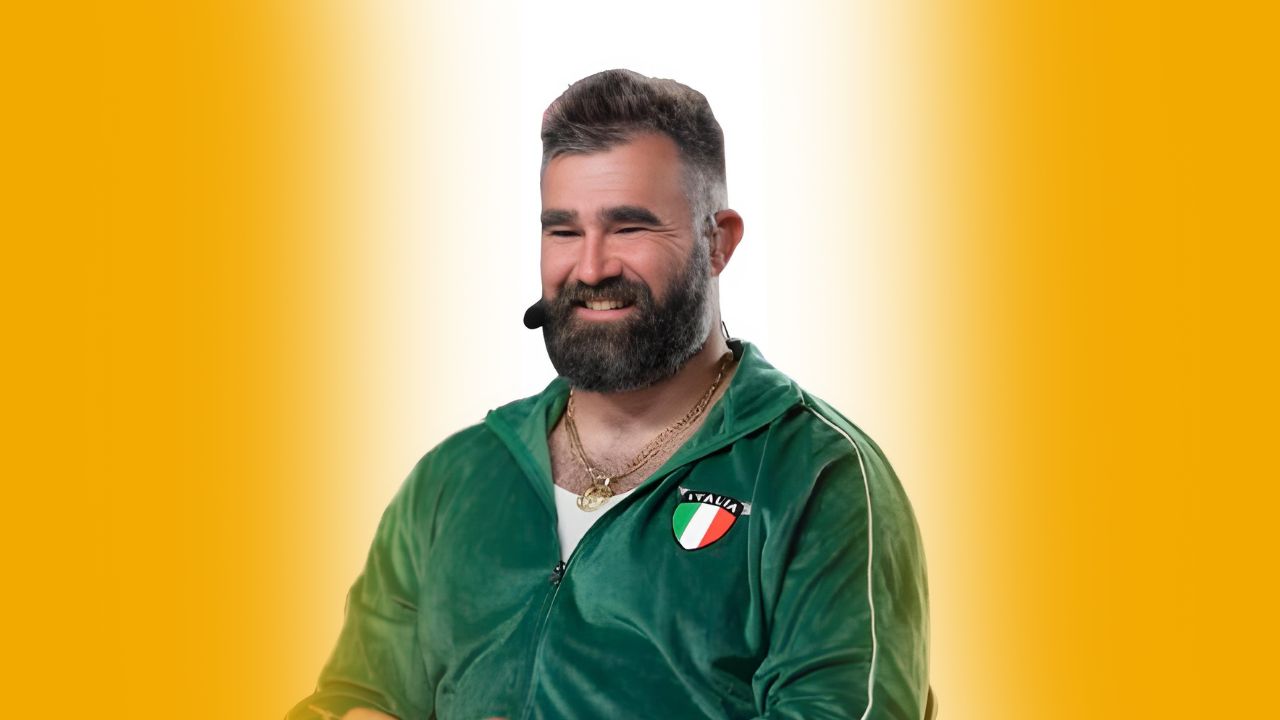
Former NFL star Jason Kelce recently found himself in the eye of a social media storm—caught in the crossfire of false quotes attributed to him about Bad Bunny’s Super Bowl halftime performance. In response, he publicly denied ever making the remarks and warned fans to be cautious about believing everything online.
Rise of Kelce’s Media Presence—and Its Pitfalls
After retiring following the 2023 NFL season, Kelce has become prominent both as a commentator and cultural voice. He speaks out on football strategy (for example, criticizing the “Tush Push” play) and current events, frequently using his platform to engage audiences.
But the higher his profile rose, the more he’s become vulnerable to misinformation—especially in emotionally charged debates like the one around Bad Bunny headlining the Super Bowl.
The Controversy: Bad Bunny at the Super Bowl
In early October 2025, the NFL announced that Bad Bunny would be the halftime performer for Super Bowl LX. That decision sparked a firestorm of reactions: praise from fans who saw it as a historic move for Latin representation, and backlash from critics who questioned a largely Spanish-language artist headlining such a high-visibility event.
Conservative voices—including Donald Trump—criticized the pick, calling it a mistake given Bad Bunny’s earlier political statements. Meanwhile, Turning Point USA, the conservative group founded by Charlie Kirk, announced an “All American Halftime Show” to run alongside or as an alternative to Bad Bunny’s performance.
In short: the stage was already set for controversy—before Kelce’s name got dragged into it.
The Fake Quotes and Their Spread
Amid the broader debate, a quote began circulating on social media, purporting that Kelce had said:
“If Bad Bunny is a bad fit for the Super Bowl, then maybe the people making these comments are a bad fit for America’s future.”
That quote and others like it were widely reshared, often attributed to Kelce, and fueled anger or support depending on the reader’s politics. But none of them came from any credible interview, press statement, or recording.
The spread of these posts created online hostility directed at Kelce, with some calling him out publicly or assuming he had “taken sides.”
Kelce’s Response: Clear, Firm, and Measured
Fed up with the misinformation, Kelce took to X (formerly Twitter) to clear the air. His message was direct:
“I normally don’t comment on things like this, but I feel I need to address that there are a number of accounts posting fake quotes and attributing them to me … Unless you hear something directly from me via one of my platforms, it is not real.”
He also praised the platform’s “community notes” feature for helping flag misattributed content, though he declined to call out specific accounts, saying it would only give them more attention.
Kelce reaffirmed that he had not voiced any public opinion about Bad Bunny’s Super Bowl role—at least not yet.
What We Know Now
- Kelce has not made the controversial statements attributed to him.
- The quotes were fabricated and spread widely on social media.
- Kelce’s official stand is: “if it’s not from me, it’s false.”
- He is expected to perhaps discuss his views later, possibly on his ‘New Heights’ podcast.
Where Bad Bunny Stands—and Why It Matters
Bad Bunny, whose real name is Benito Antonio Martínez Ocasio, is no stranger to controversy. Hailed by fans for pushing boundaries and blending art with activism, he has previously addressed political and cultural issues in his music and interviews.
When Trump implied his selection was a mistake, Bad Bunny responded subtly by staying seated during “God Bless America” at a game. On Saturday Night Live, he even joked that “even Fox News” should be happy about his halftime role.
To many, his Super Bowl selection represents a milestone for Latino and Spanish-language artists in the U.S. entertainment industry.
Implications for Media, Misinformation, and Public Figures
This episode illustrates how quickly false narratives can take hold—especially when tied to politics, culture, or high-profile events. Public figures like Kelce can become unwilling participants in battles they never signed up for.
It also shows the vital role of digital platforms and tools (like community notes) in combating misinformation. But even with safeguards, vigilance and critical thinking remain necessary for the audience.